
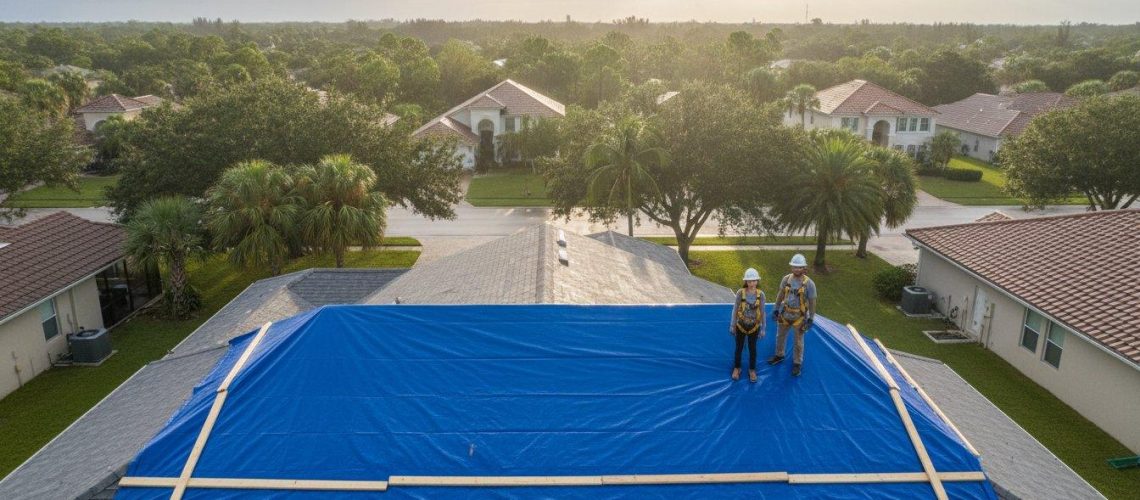

What if a sudden storm left your roof exposed, and you had no idea how to protect your home? For many Tampa homeowners, this scenario is all too real. Emergency roof tarping is not just a temporary fix; it’s a crucial step in preventing further water damage and safeguarding your family. You already know that in times of crisis, every second counts, and the fear of improper installation can be overwhelming. In this guide, we’ll equip you with efficient tarping techniques that will help you secure your roof quickly and effectively. You’ll learn how to minimize damage and ensure your home remains a safe haven, even in the face of unexpected weather challenges.
Key Takeaways
- Understand the importance of emergency roof tarping to protect your home from further damage during unexpected situations like hurricanes or storms.
- Equip yourself with essential tools such as a hammer, nails, and a utility knife to effectively carry out emergency roof tarping.
- Follow a clear step-by-step guide to safely tarp your roof, ensuring you take necessary safety precautions throughout the process.
- Learn when it’s best to call a professional for emergency roof tarping to ensure optimal results and peace of mind.
- Discover the next steps after tarping, including scheduling a professional roof inspection to address any underlying issues.
Understanding Emergency Roof Tarping for Tampa Homes
Emergency roof tarping is a critical service that provides immediate protection to homes facing roof damage, particularly in storm-prone areas like Tampa. This solution involves placing a durable tarp over a compromised roof to shield it from further water intrusion and debris. Given Tampa’s susceptibility to severe weather, understanding the importance of emergency roof tarping can save homeowners from extensive and costly repairs.
Common causes of roof damage in Tampa include hurricanes, heavy storms, and falling debris. The unique climate here, characterized by high humidity and frequent thunderstorms, can weaken roofing materials over time, making them more vulnerable during severe weather events. By addressing roof damage promptly with emergency roof tarping, homeowners can prevent further deterioration and protect their property.
The benefits of tarping are immediate. A well-placed tarp acts as a barrier against rain, wind, and debris, significantly reducing the risk of water damage inside the home. After a storm, the urgency of tarping cannot be overstated. Delaying this crucial step can lead to mold growth, structural issues, and increased repair costs, which may escalate rapidly without intervention.
When Is Emergency Roof Tarping Necessary?
Identifying signs of roof damage is essential for knowing when to seek emergency roof tarping. Look for:
- Visible leaks or water stains on ceilings
- Missing or damaged shingles
- Crumbling or sagging roof areas
After hurricanes or severe storms, even minor damage can become severe if left untreated. Tarping can effectively prevent costly water damage and the associated expenses of repairs and restoration.
Common Roof Damage Causes in Tampa
Roof damage in Tampa is often attributed to:
- Hurricanes and tropical storms, which can produce winds exceeding 100 mph
- Heavy rains that lead to pooling water and leaks
- Falling tree limbs and debris during storms
Local building codes also play a role in roof integrity. Understanding these codes can help homeowners ensure their roofs are built to withstand Tampa’s unique weather conditions, thereby reducing the need for emergency roof tarping in the first place.
Essential Tools and Materials for Roof Tarping
When faced with an emergency roof situation in Tampa, having the right tools and materials on hand can make all the difference. The process of emergency roof tarping requires careful preparation to ensure that your home remains protected from the elements. Below is a comprehensive list of essential tools and materials you’ll need to effectively secure a tarp over your damaged roof.
- Hammer: A reliable hammer is crucial for driving nails into the wood strips and securing the tarp.
- Nails: Use rust-resistant nails to prevent corrosion, especially in humid Florida conditions.
- Utility Knife: A sharp utility knife allows you to cut the tarp to the desired size easily.
- Wood Strips: These provide a sturdy base to secure the tarp, preventing it from flapping in the wind.
Choosing the right materials is vital for the effectiveness of your emergency roof tarping. Rust-resistant nails and quality wood strips not only ensure durability but also enhance the overall stability of your tarp setup. When selecting your tarp, consider the various material options that can withstand Tampa’s unique weather conditions.
Choosing the Right Tarp Material
Tampa’s weather can be intense, so selecting the right tarp material is essential. Polyethylene tarps are popular for their waterproof qualities and resistance to UV rays. UV-resistant tarps offer additional protection against the sun, preventing deterioration over time. Always measure your roof area accurately to select the correct tarp size; a tarp that is too small won’t provide adequate coverage, while one that is too large may be unwieldy to manage.
Preparing Your Tarping Kit
Creating an emergency tarping kit can save valuable time during a roofing crisis. Here are recommended items to include:
- Heavy-duty polyethylene tarps
- Rust-resistant nails
- Wood strips
- Hammer
- Utility knife
- Work gloves
- Rope or bungee cords for additional securing
Proper tarping techniques and materials are critical for effective emergency roof tarping. For more expert insights and assistance, feel free to explore Rainier Roofing’s resources to bolster your home protection strategy.
Step-by-Step Guide to DIY Emergency Roof Tarping
In the event of storm damage, emergency roof tarping can provide immediate protection for your home. This guide will walk you through the necessary steps to safely and effectively tarp your roof until professional repairs can be made.
Preparing the Roof Surface
Before you begin the tarping process, ensure that the roof surface is clear of debris. Remove any branches, leaves, or loose shingles. A clean surface allows the tarp to adhere better and prevents additional damage. Always inspect for structural damage. Look for sagging areas or visible holes; if you notice severe damage, consider contacting a professional.
Safety is paramount when working at heights. Use a sturdy ladder and secure it on flat ground. Wear a safety harness if possible, and consider having someone assist you. Tampa’s humid weather can make surfaces slippery, so take extra care.
Securing the Tarp
Once the roof is prepared, it’s time to secure the tarp. Begin by laying the tarp over the damaged area, ensuring it extends at least three feet beyond the affected zone. Anchor it securely using roofing nails or heavy-duty staples. For sloped roofs, consider using wooden boards to weigh down the edges and prevent wind from lifting the tarp.
To ensure the tarp is tight and wrinkle-free, pull it taut as you secure it. For roofs with unique shapes, like valleys or ridges, you may need to cut the tarp to fit. Always adjust the tarp’s orientation based on wind direction to minimize flapping.
Post-Tarping Checks
After installation, conduct a thorough inspection of the tarp. Ensure it covers all vulnerable areas and is secured tightly. Check for leaks by observing the roof’s interior during rainfall. If water seeps through, reposition the tarp or add additional layers for extra protection.
Regularly monitor the tarp until professional repairs can be scheduled. In the Tampa area, unpredictable weather can arise, so remain vigilant. Remember, emergency roof tarping is a temporary solution, and contacting a qualified roofing contractor for long-term repairs is essential. When budgeting for those repairs, exploring options for affordable roof repair in Tampa can help you find professional solutions that fit your budget without sacrificing quality.
When to Call a Professional for Roof Tarping
Emergency roof tarping is a crucial step in protecting your home from further damage after a storm or roof leak. While some homeowners may consider tackling this task themselves, there are specific situations where calling a professional is advisable. Understanding when to seek help can save you time, money, and stress.
Situations where professional assistance is recommended include:
- Severe roof damage, such as large holes or missing shingles.
- Inaccessible roof areas that require special equipment.
- Inclement weather conditions, such as high winds or heavy rain.
- If you are unsure about the extent of the damage.
The benefits of hiring professionals for emergency roof tarping are significant. Skilled contractors bring expertise and experience, ensuring the tarping is done correctly and securely. They can also identify underlying issues that may not be visible to the untrained eye. This proactive approach can prevent further damage and costly repairs down the line.
Many of these professionals utilize specialized service vehicles to ensure high-quality results and worker safety. For business owners in South Florida in need of commercial vehicle upfitting or hydraulic maintenance, you can visit Tim Halpin Equipment Corp to explore their professional equipment solutions.
When comparing costs and time between DIY and professional tarping, consider the following:
- DIY Advantages: Lower immediate costs and the ability to act quickly.
- Risks of DIY: Potential for improper installation, which can lead to further damage and more expensive repairs.
- Professional Benefits: Faster, safer, and effective solutions, especially for complex damage.
Pros and Cons of DIY vs. Professional Tarping
While DIY tarping might seem appealing due to cost savings, it carries risks. Improperly secured tarps can lead to water infiltration, which exacerbates roofing issues. Conversely, hiring a professional, especially for complicated damage, ensures a thorough and secure installation, reducing the likelihood of future problems.
Why Choose Rainier Roofing for Tarping Services?
Rainier Roofing is your trusted partner for emergency roof tarping in Tampa. With over 36 years of experience, we understand the unique challenges posed by Florida’s climate, including intense heat, humidity, and hurricanes. Our 24/7 availability means we’re always ready to respond to your needs, day or night.
Don’t just take our word for it; our customer testimonials speak volumes about our commitment to quality and reliability. Homeowners appreciate our rapid response and the peace of mind that comes from knowing their homes are protected by experts. Choose Rainier Roofing for your emergency roof tarping needs and experience the “Rainier Difference.” Contact us today for immediate assistance.
Next Steps After Emergency Tarping
After undergoing emergency roof tarping, it’s vital to take immediate steps to ensure your home remains protected and to address any underlying issues that may have contributed to the damage. This section outlines essential actions, including scheduling a professional roof inspection and planning for permanent repairs.
Scheduling a Roof Inspection
A professional roof inspection is crucial after emergency roof tarping. It helps identify any hidden damage not visible during the initial assessment. Roof inspectors will evaluate the integrity of your roofing materials, check for leaks, and assess the condition of underlying structures. Homeowners can expect a thorough examination, including a report detailing current conditions and recommended actions.
Don’t wait too long to schedule your inspection; prompt action can prevent further damage and costly repairs. Contact Rainier Roofing today to arrange your roof inspection and regain peace of mind.
Planning for Permanent Repairs
Once the inspection is complete, it’s time to plan for permanent repairs. Choosing the right materials is critical, as Florida’s unique climate demands products that can withstand heat, humidity, and storms. Options include durable asphalt shingles, metal roofing, or tile that provide both protection and aesthetic appeal.
- Consider the timeline: Depending on the extent of the damage, repairs can take anywhere from a few days to several weeks.
- Evaluate factors: Weather conditions, the availability of materials, and contractor schedules can all affect repair timelines.
For those facing leaks, you may want to explore our service on Roof Leak Repair in Tampa to ensure your home is protected against future issues. When planning for comprehensive roof repair Tampa FL services, it’s important to work with experienced professionals who understand the unique challenges of Florida’s climate and can help you navigate insurance claims with confidence. Homeowners concerned about costs will also find it helpful to review options for affordable roof repair Tampa residents can rely on, ensuring high-quality craftsmanship without unnecessary expenses.
Addressing underlying roof issues promptly is essential to maintaining the integrity of your home. By taking these next steps, you can ensure your home remains safe and secure while planning for a more permanent solution. Reach out to Rainier Roofing for a consultation and let us help you protect your home for years to come.
Take Action for Your Home’s Safety Today
Emergency roof tarping is a crucial step in protecting your home from further damage during severe weather. By understanding the essential tools and techniques for DIY tarping, you can take immediate action to safeguard your property. However, knowing when to call in the professionals is equally important. With our 24/7 emergency service, Rainier Roofing is here to provide you with the expertise needed to address any roofing crisis, especially tailored for Tampa’s unique climate.
Don’t wait until it’s too late. Contact Rainier Roofing for Professional Emergency Tarping Services today. With over 15 years of experience, we are a family-owned and operated business dedicated to protecting your home and ensuring your peace of mind. Trust us to be your guardians against the elements—together, we can secure your home for the long haul.
Frequently Asked Questions
What is emergency roof tarping and why is it important?
Emergency roof tarping is a temporary solution used to protect a damaged roof from further water intrusion. It’s crucial because even a small leak can lead to significant interior damage, mold growth, and structural issues if not addressed promptly. In Tampa, where heavy rains and storms are common, timely tarping can prevent costly repairs and preserve the integrity of your home.
How do I know if my roof needs an emergency tarp?
You should consider emergency roof tarping if you notice visible damage such as missing shingles, large leaks, or water stains on your ceiling. Additionally, during or after a storm, inspect your roof for any visible damage, especially if you hear unusual noises or see debris. If you suspect any issues, it’s better to err on the side of caution and secure a tarp to protect your home.
Can I tarp my roof myself, or should I hire a professional?
You can tarp your roof yourself if you feel confident and have the right tools, but hiring a professional is often safer and more effective. Professionals have the experience to assess the damage accurately and apply the tarp securely, minimizing the risk of further damage. If you’re unsure, contact a trustworthy roofing company like Rainier Roofing to ensure your home is well-protected.
What materials do I need for emergency roof tarping?
For effective emergency roof tarping, you’ll need a heavy-duty tarp, roofing nails or screws, and a hammer or drill. A ladder is essential for safe access to your roof. In some cases, you might also need a staple gun and a utility knife to cut the tarp to size. Ensure the tarp is waterproof and durable enough to withstand the elements until permanent repairs can be made.
How long can an emergency tarp stay on my roof?
An emergency tarp can typically stay on your roof for several weeks to a few months, depending on weather conditions and the tarp’s quality. It’s designed as a temporary fix until permanent repairs can be scheduled. However, prolonged use of a tarp may lead to additional stress on the roof structure, so it’s best to arrange for professional repairs as soon as possible.
What should I do after I tarp my roof?
After tarping your roof, monitor the situation closely for any leaks or water intrusion. Document any damage and contact a professional roofing contractor to assess the roof and schedule repairs. Additionally, notify your homeowner’s insurance company, as they may cover the costs of repairs and help with the claims process.
Is it safe to tarp a roof in the rain or wind?
Tarping a roof in the rain or wind can be risky and is generally not advised. Wet surfaces can be slippery, increasing the chance of falls or accidents. High winds can also make it difficult to secure the tarp properly. If adverse weather is present, it’s best to wait for safer conditions or call a professional to handle the tarping for you.