
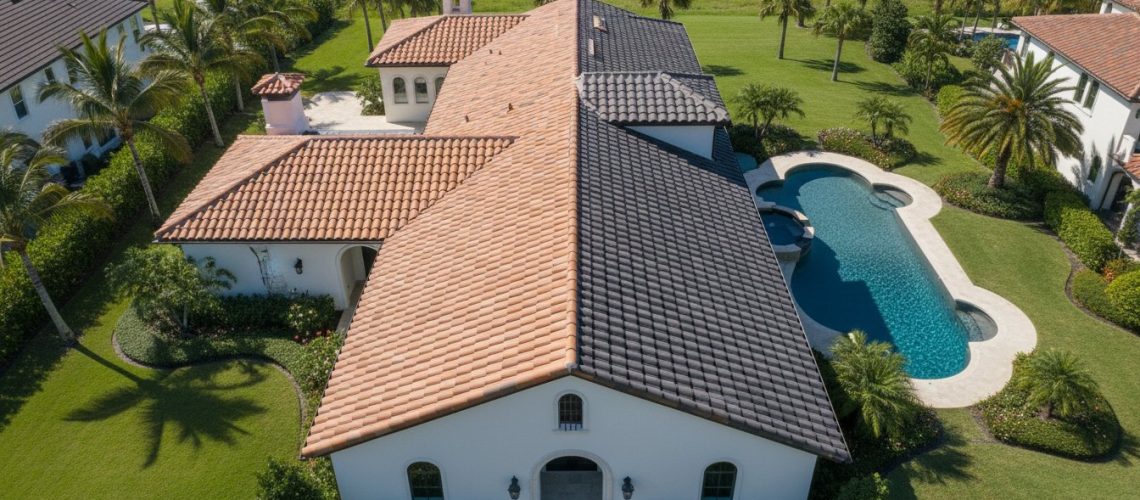

Is the heaviest roof always the most durable when a Category 4 hurricane bears down on the coast? While many homeowners assume weight equals strength, the real story of clay tile vs concrete tile durability Florida reveals a more complex balance of wind resistance and material science. You want a roof that acts as a permanent guardian for your home, protecting your family from intense heat and salt air without requiring a total replacement every few decades. It’s stressful to weigh the long-term investment of these materials against the fear of structural limits or potential storm damage.
This guide will clarify exactly how these materials perform under the 2026 Florida Building Code. You’ll learn how to choose a legacy roof that survives major storms while lowering your energy bills through natural thermal mass. We’ll compare lifespan, wind ratings, and maintenance requirements so you can make a confident decision for your home’s security. By understanding the technical differences between fired clay and reinforced concrete, you can ensure your property remains a safe haven for generations to come.
Key Takeaways
- Learn why clay’s 75-100 year lifespan provides a permanent roofing solution compared to the 30-50 year cycle of concrete alternatives.
- Compare the specific factors of clay tile vs concrete tile durability Florida homeowners must consider, especially how salt air porosity impacts coastal properties.
- Understand “Dead Load” requirements to ensure your home’s foundation can safely support the significant weight of a premium tile system.
- Identify the maintenance realities of Florida tile roofs, including how to manage algae and lichen growth caused by Tampa’s high humidity.
- Discover how a professional structural evaluation protects your investment and ensures your roof survives the most intense hurricane seasons.
Tile Roofing in Florida: The 2026 Climate Challenge
Tampa Bay homeowners view tile as the gold standard for a reason. It is the premium choice that matches the architectural beauty of our region while standing firm against the relentless Gulf Coast weather. We face an extreme UV index that can bake standard roofing materials until they become brittle. High humidity levels create a breeding ground for biological growth that compromises structural integrity. This environment demands a material that does more than just cover your house; it must protect your family’s sanctuary for decades.
Modern manufacturing has closed the gap between traditional craftsmanship and industrial strength. Historically, Roof tiles were simple clay products. Today, both clay and concrete options benefit from advanced curing processes and high-performance coatings. When analyzing clay tile vs concrete tile durability Florida residents should consider how these materials interact with our specific atmosphere. The 2026 Florida Building Code, which takes effect on December 31, 2026, reinforces the need for tested performance. Clay offers a natural resistance to the salt air found in coastal Pinellas County. Concrete provides a dense, impact-resistant surface that handles the debris of a tropical storm.
The Role of Thermal Mass in Florida Cooling
Tile density is your first line of defense against the Florida sun. Because these materials are thick and heavy, they possess high thermal mass. This creates a “thermal lag” that prevents afternoon heat from penetrating your attic immediately. Unlike asphalt shingles that transfer heat quickly, tiles allow for natural air circulation underneath the individual pieces. This airflow vents heat back into the atmosphere. For a home in Tampa, this translates to lower energy bills during peak summer months. Your air conditioning system won’t have to fight a losing battle against a scorching roof deck.
Hurricane Resistance: Why Tile Wins
Wind resistance is the most critical factor for any Florida roof. The 2026 standards continue to reference the ASCE/SEI 7-22 wind load provisions. Clay tiles can resist winds up to 140 mph, while concrete tiles are typically rated for up to 125 mph. These materials are naturally heavy, which makes them much less likely to peel or lift during a tropical storm compared to lighter materials. Modern attachment systems, including high-strength adhesives and specialized fasteners, ensure each tile remains locked in place. Choosing tile means choosing a roof that stays put when the weather is at its worst.
Durability Showdown: Clay vs. Concrete in Sun and Salt
Florida’s coast presents a unique chemical challenge for your home. When we look at clay tile vs concrete tile durability Florida properties face two main enemies: salt spray and intense UV radiation. Clay tiles are legendary for their longevity, often providing a service life of 75 to 100 years. In contrast, concrete tiles usually last between 50 and 75 years. While both materials meet strict Florida Building Code requirements for tile roofing, their chemical composition changes how they age in Pinellas and Hillsborough counties.
The sun is particularly brutal on concrete. Because concrete tiles typically use surface coatings for color, they can begin to fade in as little as 7 to 10 years under the Florida sun. Clay tiles have their color baked in during the firing process. This means the deep reds and oranges you see today will likely look the same for your grandchildren. Beyond aesthetics, clay’s lower water absorption rate is a critical safeguard for your home’s foundation. It prevents moisture from reaching the underlayment, which reduces the risk of internal structural rot over time.
Clay: The Impermeable Legacy Option
Clay tiles undergo a process called vitrification. This high-heat firing turns the material into a glass-like state that is virtually impervious to moisture. If you live in coastal areas like Odessa or Bradenton, this makes clay the ultimate choice. It won’t soak up the salt air that often leads to internal degradation in more porous materials. You should be aware of the “brittleness” trade-off; clay can crack if a heavy branch falls on it. We always recommend checking your surroundings for overhanging trees before choosing this legacy material for your property.
Concrete: The High-Impact Alternative
Concrete is the workhorse of the roofing world. It is significantly tougher against physical impacts like hail or small falling debris. This makes it a reliable shield for homes in inland areas where salt air is less of a concern. You should prepare for efflorescence, which are white salt deposits that can appear on concrete surfaces over time. While these deposits don’t compromise the structure, they can change the roof’s appearance. If you are concerned about impact resistance but want a different look, you might also consider how metal roofing in Tampa compares to these traditional tile options.
Choosing the right material depends on your specific location and how long you plan to stay in your home. If you want a roof that stands as a permanent guardian, speaking with a local expert can help you weigh these durability factors correctly for your specific neighborhood.
Structural Integrity: Weight and Hurricane Resistance
Every roof has a “dead load” limit. This term refers to the constant, permanent weight of the roofing materials, rafters, and deck. When evaluating clay tile vs concrete tile durability Florida homeowners must first understand if their structure can support these premium materials. Concrete tiles are the heavier of the two, typically weighing between 900 and 1,100 pounds per square. Clay tiles are slightly lighter, ranging from 600 to 1,000 pounds per square. For comparison, a standard asphalt shingle roof weighs only about 200 to 300 pounds per square. This massive difference in weight is why structural readiness is our first priority.
Switching from shingles to a tile system isn’t a simple swap. It adds thousands of pounds to your home’s frame. If your house wasn’t originally engineered for this weight, the risk of structural failure is real. This is why a professional inspection is a non-negotiable step before any installation in Wesley Chapel or the surrounding Tampa area. We act as guardians of your home’s safety, ensuring the foundation and trusses are ready for the upgrade before we ever deliver materials to your driveway.
Can Your Tampa Home Handle the Load?
Most Florida homes built after the 2002 building code adoption were designed with specific load-bearing capacities in mind. If you own an older home, your trusses might need reinforcement to prevent “roof sag” or interior ceiling cracks. Adding structural support can cost between $5,000 and $15,000 depending on the complexity. It’s a necessary investment to prevent long-term damage to your home’s skeleton. We look for specific markers in your attic to determine if your home was built for “light” or “heavy” roofing materials to protect your property’s value.
Wind Uplift and the Florida Building Code
Weight is actually an advantage during a hurricane because heavy tiles are harder for the wind to lift. However, the shape of the tile also matters for aerodynamics. S-tiles provide a different wind profile than flat tiles, which can influence how air moves over the roof deck. A peer-reviewed study on tile roof performance in hurricane conditions demonstrated that proper installation and fastening are just as critical as the material itself. The 2026 Florida Building Code emphasizes that all underlayment systems must be tested and approved for specific uplift resistance values.
Choosing the right team ensures these technical standards are met. When researching roofing companies Tampa residents should prioritize contractors who understand these structural nuances. We maintain the high standards of Rainier Roofing LLC, focusing on the total system from reinforced trusses to high-quality synthetic underlayment to provide the peace of mind you deserve during the next big storm.

Maintenance Realities and Long-Term Value
Many homeowners believe that once a tile roof is installed, they never have to think about it again. While these systems are incredibly tough, the “maintenance-free” label is a myth in our local climate. When we analyze clay tile vs concrete tile durability Florida homes require a proactive approach to preserve the roof’s lifespan. Over time, organic debris like pine needles and leaves can clog the drainage channels between tiles. If water can’t flow freely, it backs up under the tiles and puts unnecessary stress on the underlayment, which is the true water-tight barrier of your home.
Walking on your roof is another significant risk factor. Whether it’s to clean gutters or install a satellite dish, improper foot traffic can cause hairline fractures in both clay and concrete. These cracks aren’t always visible from the ground. They allow water to seep in, eventually leading to rot in the wood deck below. We always tell our neighbors to leave the climbing to the professionals. We use specialized techniques to distribute weight evenly and prevent the costly breakage that often follows a DIY inspection. Evaluating the upfront cost against a 50-year maintenance schedule is the best way to determine true value. Clay tiles often require less frequent cleaning, which can save you thousands in maintenance fees over several decades.
Algae and Mildew: The Florida Humidity Factor
Tampa’s high humidity creates a perfect environment for biological growth. Concrete tiles are naturally more porous than clay, which means they hold moisture longer. This moisture allows algae, lichen, and moss to take root across the surface. While this growth won’t immediately destroy the tile, it can damage the aesthetic and trap heat. You should avoid high-pressure washing at all costs. The intense pressure can strip the color from concrete or shatter the edges of clay. We recommend professional soft-wash treatments that use gentle chemicals to kill organic growth without compromising the material’s integrity.
Repairing Tile Roofs in Hillsborough County
Mortar can crack and tiles can slip after a decade of exposure to the Florida sun. If you notice a tile out of alignment, it’s a sign that the attachment system has weakened. This is why tile roof repair in Tampa is a specialized skill that requires matching the original tile batch for a seamless look. We maintain a steady process for identifying and replacing damaged sections before they become major leaks. If you’re concerned about the current state of your roof, you can schedule a professional assessment to ensure your home remains protected through the next storm season.
Making the Right Choice with Rainier Roofing LLC
Deciding between these two premium materials is a significant investment for any Florida family. When you weigh clay tile vs concrete tile durability Florida conditions must remain the primary focus. Clay offers a 75 to 100 year lifespan and permanent color, making it the superior choice for coastal legacy homes. Concrete provides a 50 to 75 year lifespan with better resistance to physical impacts from falling branches. We help you navigate these trade-offs by looking at your home’s specific location, structural capacity, and long-term goals.
Rainier Roofing LLC believes in a protective approach to roofing. Our team evaluates every structural detail, from the condition of your trusses to the pitch of your roof deck. If your home requires structural reinforcement to handle the weight of a new tile system, we identify those needs early. We’ll never recommend a material that compromises your home’s skeleton. It’s our responsibility to ensure your foundation is as secure as the tiles we place on top of it.
Our status as a GAF Master Elite contractor provides a unique perspective on whole-home protection. While we specialize in tile, we understand how every component of the roof works together. We only partner with high-grade manufacturers who meet the rigorous standards of the 2026 Florida Building Code. This ensures that every piece of clay or concrete installed on your property is tested for the 150 mph wind standards required for our region’s safety.
The Rainier Roofing LLC Difference in Tampa Bay
We bring over 15 years of experience to every project in the Tampa Bay area. This history gives us deep knowledge of local weather patterns, from the salt air in Pinellas to the intense humidity in Hillsborough. Our neighborly trust approach means we prioritize your safety over a sale. We apply this same level of detail to our commercial roofing Tampa projects, handling large-scale tile installations with the precision they require. You can rely on our steady, methodical process to deliver a roof that stands the test of time.
Next Steps for Your Roof Replacement
The first step toward a secure home is a comprehensive evaluation. During your consultation, we perform a detailed structural analysis and material comparison. We’ll explain the “dead load” limits of your specific house and provide a clear path forward for either clay or concrete. You’ll receive a detailed estimate that covers everything from the high-quality synthetic underlayment to the final ridge caps. Protect your home with a legacy tile roof from Rainier Roofing LLC today.
Securing Your Florida Legacy Roof
Choosing between these two premium materials is about more than just aesthetics; it’s about building a defense that lasts for generations. Throughout this guide, we’ve explored how clay offers unmatched color longevity and salt air resistance, while concrete provides a rugged, impact-resistant shield against physical debris. Both materials require a foundation that can handle their significant weight, making a professional structural evaluation the most important step in your journey. Understanding the nuances of clay tile vs concrete tile durability Florida homeowners face ensures you don’t overspend on maintenance or risk structural damage later.
As a family-owned local business with over 15 years of Florida roofing experience, we take our role as guardians of your home seriously. Our GAF Master Elite certification reflects our commitment to high-quality production and moral character. We’re here to help you navigate the 2026 building codes with a steady, methodical approach that prioritizes your safety. If you’re ready to invest in long-term security, Get Your Free Tile Roof Estimate from the Professionals at Rainier Roofing LLC. We look forward to helping you protect your family’s sanctuary with a roof that stands the test of time.
Frequently Asked Questions
Is clay tile more durable than concrete tile in Florida?
Clay tile is generally more durable due to its natural resistance to salt air and moisture absorption. When comparing clay tile vs concrete tile durability Florida homeowners should note that clay’s kiln-fired surface doesn’t degrade chemically like concrete. However, concrete is less brittle and handles physical impacts from falling branches better than traditional clay. This makes it a strong contender for homes with heavy tree coverage or those far from the immediate coastline.
Can my existing shingle roof be replaced with tile without reinforcement?
You cannot safely replace shingles with tile without a professional structural engineer’s approval. Tile systems weigh significantly more than asphalt shingles, often exceeding 800 pounds per square. Your home’s trusses and foundation must be rated for this increased dead load to prevent structural failure or interior ceiling cracks. Reinforcing an older home’s frame is a common step that ensures your new roof remains a safe, long-term investment for your property.
Do concrete roof tiles fade in the Florida sun?
Concrete tiles do fade over time because their color is typically a surface coating rather than a through-body material. You might see noticeable color changes within 7 to 10 years of exposure to intense Florida UV radiation. Clay tiles maintain their original hue indefinitely because the color is baked into the material during the vitrification process. If aesthetic consistency is your top priority for the next few decades, clay is the superior choice for your home.
How long does a clay tile roof actually last in Tampa?
A high-quality clay tile roof can last 75 to 100 years or more in the Tampa area. It’s important to remember that the underlayment beneath the tiles has a shorter lifespan, usually requiring replacement every 25 to 30 years. This process involves carefully removing the tiles, replacing the secondary water barrier, and reinstalling the original tiles. Proper installation ensures the tiles remain the longest-lasting part of your home’s exterior and provides peace of mind.
Which is better for hurricane winds: flat or barrel-shaped tiles?
Flat tiles often provide superior aerodynamics in hurricane-force winds because they have a lower profile that reduces wind lift. While barrel-shaped tiles are rated for high winds, their curved shape creates more surface area for wind to catch. Regardless of the shape, the attachment method and underlayment quality are the most critical factors for storm survival. We always prioritize high-wind attachment systems to protect your home from the most severe weather patterns in our region.
Is it okay to walk on my tile roof to clean the gutters?
You should never walk on your tile roof for routine cleaning or maintenance. Both clay and concrete tiles are susceptible to cracking under the weight of a person, even if you try to step carefully. These small fractures allow water to reach the underlayment and cause rot over time. Use a ladder from the perimeter to clean your gutters safely, or hire a professional who has the experience to traverse tiles without causing damage.
Does a tile roof increase the resale value of a Florida home?
Installing a tile roof significantly boosts the resale value and marketability of a Florida home. Many buyers view tile as a permanent, luxury feature that justifies a higher asking price. Additionally, the superior wind resistance of a tile system can lead to substantial savings on your annual homeowners insurance premiums through wind mitigation credits. It’s an investment that pays dividends in both home equity and long-term security for your family’s future.
How often should a tile roof be inspected in the Tampa Bay area?
We recommend a professional inspection every two years to ensure your system remains in top condition. Tampa’s high humidity and seasonal storms can cause tiles to shift or allow organic debris to clog drainage channels. Identifying a slipped tile or a small crack early prevents the need for a major repair after the next tropical system passes through. Regular maintenance is the key to reaching the full 50 to 100-year lifespan of your roof.