
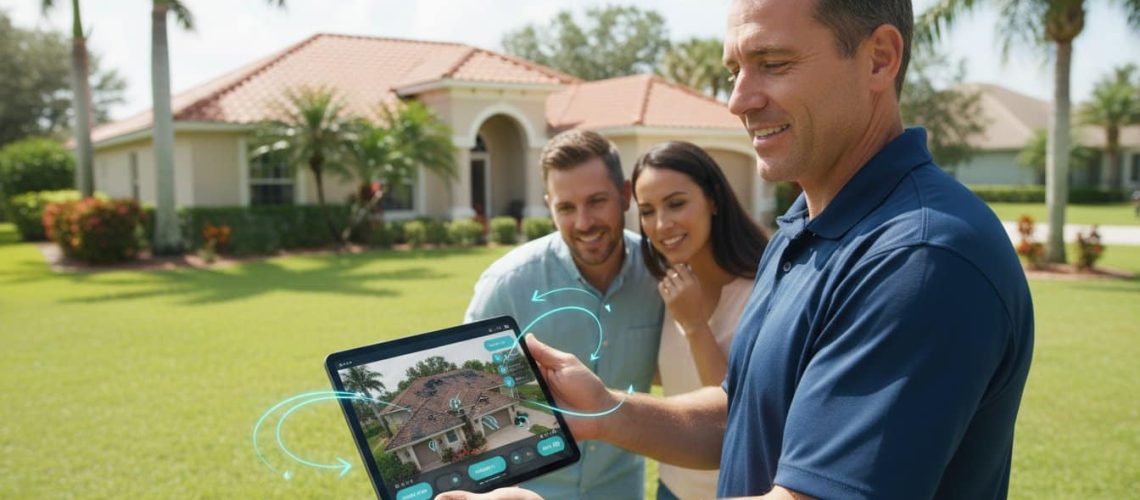

Did you know that waiting just one day past the 12-month mark could cost you your entire roof replacement? Under Florida’s strict 2026 insurance laws, many Tampa homeowners feel like the deck is stacked against them. You’re likely worried about the tight 1-year filing deadline or the fear that a minor documentation error will lead to a flat-out denial. It’s completely natural to feel anxious when the rules seem to change every season. We understand that your home is your sanctuary, and we’re here to act as your professional guide through the red tape.
We’ve designed this guide to ensure that documenting roof damage for insurance claim Tampa procedures is a clear, manageable task for you. You don’t have to face the insurance adjusters alone or feel confused by recent legislative updates like Senate Bill 2-D. You’ll learn the exact evidence checklist required by current regulations, the details of the 60-day insurer response window, and how to prove your roof’s useful life to secure a successful outcome. This article provides the roadmap you need to move forward with confidence and protect your property for years to come.
Key Takeaways
- Master the critical 12-month “Date of Loss” rule to ensure your claim remains valid under Florida’s updated 2026 insurance regulations.
- Learn the “Wide-to-Tight” photography method for documenting roof damage for insurance claim Tampa protocols, ensuring every detail is captured safely from the ground.
- Understand why professional inspection reports utilizing thermal imaging provide the “clear and convincing” evidence required to prevent claim denials.
- Identify the red flags of “storm chasers” and why local accountability is your best defense against predatory contracting practices.
- Gain peace of mind by following a methodical timeline that keeps you in control of the restoration process from the initial damage to the final repair.
Why Documentation is the Foundation of Your Tampa Insurance Claim
In the wake of a severe Tampa storm, your first instinct is likely to protect your family and address immediate leaks. However, the legal reality of 2026 Florida insurance requires you to act as a meticulous record-keeper from the very start. The burden of proof has shifted significantly. You must now provide “clear and convincing” evidence that the damage was caused by a specific weather event rather than general neglect. Without a solid trail of evidence, your homeowners insurance policy might not provide the coverage you expect.
You have exactly 12 months from the “Date of Loss” to notify your insurer of a claim. This deadline is absolute. If you discover a leak 13 months after a hurricane, the carrier is legally allowed to deny the claim. This is why documenting roof damage for insurance claim Tampa procedures must begin immediately after the clouds clear. Proper documentation also helps clarify the financial math. It ensures the carrier calculates the total replacement value based on current damage rather than trying to apply excessive depreciation for “pre-existing” wear and tear.
Florida’s Updated 2026 Insurance Landscape
Florida’s 2026 regulations emphasize homeowner accountability. While you have a one-year window for the initial filing, you have 18 months for supplemental claims if hidden damage emerges during the repair of your GAF Timberline HDZ shingles or metal roof. Recent reforms have also restricted Assignment of Benefits (AOB). This change means you stay in the driver’s seat. You are responsible for managing the claim and providing the proof, which makes your documentation the most powerful tool you own for securing a fair payout.
The Difference Between Damage and Deterioration
Insurance adjusters are trained to look for reasons to classify damage as “maintenance issues.” They might claim shingle loss is just simple aging or that “blistering” is from the brutal Tampa sun rather than hail impact. You can counter this by showing “wind uplift,” where the sealant bond is broken by force, not time. Capturing “collateral damage” is equally vital. If your seamless gutters are dented or your fence is blown over, it validates the severity of the wind that hit your home. This documentation should extend to your yard; for instance, noting how a professional lawn care routine, like the high-quality services offered by Ray Lawns, was disrupted by storm debris provides further proof of the event’s impact. Proving that the storm affected multiple parts of your property makes it much harder for an adjuster to argue that your roof was simply “deteriorating.”
The Essential Roof Damage Photo Protocol: A 5-Step Checklist
Your smartphone is the most important tool you own after a storm hits. However, you must prioritize your safety above all else. Never climb onto your roof to take photos. Professional adjusters don’t expect you to risk a fall, and a grainy photo from the ground is often safer and more effective than a risky close-up. If you can’t see the damage clearly from the lawn, it’s better to let a professional handle the high-altitude shots. Following IRS guidelines on documenting loss helps ensure your records are organized and meet the high standards required for property claims.
We recommend using the “Wide-to-Tight” method. This means you first capture a wide shot of the entire roof slope to provide context. Then, move in closer for the specific damage. If you see a shingle that looks lifted, place a common household item like a coin or a ruler next to it for scale. This simple step prevents an adjuster from underestimating the size of a hail hit or wind-torn area. Effective documenting roof damage for insurance claim Tampa protocols require this level of detail to turn a vague “leak” into a verified “loss.”
Step 1: The Exterior Perimeter Sweep
Walk around the entire base of your home and photograph all four sides. This proves the direction the wind was blowing and documents the intensity of the storm. Look for debris in your yard, such as downed tree limbs or neighbors’ shingles. Pay close attention to your “soft metals.” Dents in your seamless gutter systems or downspouts are undeniable evidence of hail or high-impact debris. These dents don’t happen from “wear and tear,” so they act as a smoking gun for your claim.
Step 2: Interior and Attic Evidence
The damage on the outside often reveals itself inside your home first. Use a high-powered flashlight to photograph water stains on your drywall; the side-lighting creates contrast that makes the stain more visible in photos. Head into the attic during the day. If you see “daylight” peeking through the roof deck, you have clear evidence of structural compromise. Don’t forget to document damaged electronics or furniture near these leaks, as these items are often part of your total claim value.
Step 3: Date-Stamping and Metadata
Ensure your smartphone has GPS and date-time metadata enabled before you start. This digital fingerprint proves exactly when and where the photos were taken. Once you’re finished, move every file into a dedicated cloud folder. Data loss is a common reason for claim delays, so having a backup is essential. Write a single sentence in your notes confirming the date of the storm and the date the photos were taken to keep your timeline bulletproof.

Professional vs. DIY Documentation: Why Expert Evidence Wins
Your initial ground-level photos establish the necessary timeline for your claim, but they rarely provide the technical depth required to secure a full replacement. Insurance adjusters work for the carrier, and their goal is to minimize the scope of the loss. To counter this, you need a professional assessment that utilizes industry-standard technology. Professional contractors act as guardians of your home’s structural integrity by providing data that a smartphone simply cannot capture. When you are documenting roof damage for insurance claim Tampa protocols, the quality of your evidence determines the speed and success of your payout.
We utilize high-resolution aerial drones to inspect steep slopes and difficult angles safely. This technology provides crystal-clear imagery of shingle displacement and granular loss that remains invisible from the lawn. Beyond visual evidence, we use thermal imaging cameras to detect temperature variations caused by moisture trapped beneath the roof’s surface. Moisture meters allow us to verify deck rot or saturated insulation before it manifests as a ceiling stain. We also employ “test squares,” which are 10-foot by 10-foot sections where we mark and count every hail hit. This scientific method proves the frequency of damage and is often the deciding factor in whether a carrier approves a total replacement or a minor repair.
The GAF Master Elite Advantage
In the roofing industry, certification carries significant weight with insurance carriers. We are proud to be part of the top 2% of contractors who have earned the GAF Master Elite status. Adjusters respect these reports because they know we follow the most rigorous inspection standards in the country. Our team is trained to identify “bruised” shingles, where the fiberglass mat is fractured even if the surface looks intact. You can learn more about why this GAF Master Elite roofer Tampa distinction is vital for your 2026 claim by reviewing our detailed certification guide. We ensure every “bruise” is documented to prevent future leaks that your insurance might not cover later.
Hidden Damage: What the Naked Eye Misses
Many homeowners believe their roof is fine because they don’t see missing shingles. However, high winds often cause “seal failure,” where the thermal bond between shingles is broken. Once this seal is compromised, the roof can no longer shed water properly during Tampa’s intense summer storms. We also check for structural deck rot and compromised flashing around skylights and chimneys. Our roof repair Tampa FL experts focus on documenting roof damage for insurance claim Tampa requirements by uncovering these hidden vulnerabilities. This comprehensive approach ensures that your insurance estimate covers the full scope of the work needed to keep your family safe and dry.
Avoiding Common Pitfalls in Tampa Insurance Claims
After a major weather event, “storm chasers” often flood Hillsborough County with high-pressure sales tactics. These out-of-state contractors lack local roots, and they often vanish before the first leak appears in your new roof. We’ve seen many homeowners pressured into signing contracts before their insurance company even provides an initial estimate. This is a significant mistake. You should never sign a binding agreement until you have a clear understanding of what your carrier will cover. Your focus should remain on documenting roof damage for insurance claim Tampa requirements to ensure you have the leverage needed for a fair settlement.
If an adjuster offers a low-ball settlement, your photo evidence and professional reports are your primary defense. Florida’s “matching” law is a critical piece of the puzzle. Generally, if more than 25% of your roof is damaged within a 12-month period, the entire system must be brought up to the current building code. However, under Senate Bill 2-D, if your roof meets the 2007 Florida Building Code and can be repaired, the insurer might only pay for those specific repairs. Having a clear record of the damage helps our team advocate for a full replacement when a simple patch won’t guarantee your home’s long-term security.
The Assignment of Benefits (AOB) Trap
Assignment of Benefits (AOB) agreements were once common, but recent legislative reforms have placed heavy restrictions on these practices to protect you. If a contractor asks you to sign away your claim rights so they can “handle everything,” be cautious. You must maintain control of the process and only authorize repairs, not the direct payout from the carrier. This ensures that you, the property owner, dictate the quality of the materials and the timeline of the project. If you need immediate protection while waiting for an adjuster, we provide professional emergency roof tarping to prevent secondary interior damage.
Navigating the Hurricane Deductible
Understanding the financial reality of a roof replacement tampa fl starts with your deductible. Most policies have a standard “All Other Perils” deductible, but a separate “Hurricane” deductible applies to named storms. This is typically a percentage, often 2% to 5%, of your home’s total insured value. For a $400,000 home, a 2% deductible means you’ll pay $8,000 out-of-pocket before insurance coverage begins. Methodical documentation proves the damage occurred during a specific window, ensuring the correct deductible is applied and preventing the carrier from labeling the loss as a standard maintenance issue.
Partnering with Rainier Roofing LLC for a Stress-Free Claim
Rainier Roofing LLC has served as a guardian for Tampa Bay families for over 15 years. We understand that the process of documenting roof damage for insurance claim Tampa requirements is often the most overwhelming part of storm recovery. Our team approaches every project as a Protective Professional. This means we combine technical expertise with a deep sense of neighborly trust to alleviate your stress. We don’t just identify damage; we provide a methodical narrative that proves exactly how and when the weather affected your home’s structural integrity.
Our support is comprehensive and follows a logical progression. If your home has suffered a breach, we provide emergency roof tarping to stop active leaks immediately. From there, we transition into a deep-dive assessment that results in a professional evidence package for your carrier. This digital file includes high-resolution imagery and technical data designed to meet the “clear and convincing” standard required by Florida’s 2026 regulations. Rainier Roofing LLC handles the technical details so you can focus on your family’s peace of mind.
Our Professional Inspection Process
When you schedule an assessment, you can expect a methodical walkthrough of your entire roofing system. We examine your GAF Timberline HDZ shingles, flashing, and seamless gutter systems for signs of wind uplift or impact. We often coordinate with your insurance adjuster during their visit to ensure they see the same hidden damage we’ve identified with our moisture meters and drones. This professional collaboration helps you navigate the 60-day insurer response window with much more confidence. Our commitment to using premium GAF materials ensures that your eventual replacement provides long-term security against the next hurricane season.
Ready to Protect Your Home?
Waiting to document your damage is a significant risk. Secondary issues like mold can develop quickly in the Florida heat, and the 12-month filing deadline is absolute. Rainier Roofing LLC has a deep understanding of the unique weather patterns in Tampa, Brandon, and Wesley Chapel. We’ve stood the test of time and weather, and we’re ready to help you protect your most valuable asset. Schedule your free, professional roof inspection with Rainier Roofing LLC today.
Secure Your Family’s Home with Professional Proof
You now have the technical roadmap to navigate Florida’s complex 2026 insurance landscape with complete confidence. Throughout this guide, we have explored why a chronological narrative is your best defense against the 12-month filing deadline. While your initial ground-level efforts establish a vital timeline, professional evidence is what ultimately secures a full replacement in today’s stricter market. By avoiding the common pitfalls of AOB traps and “storm chasers,” you remain the guardian of your property’s future.
Rainier Roofing LLC has spent over 15 years acting as a trusted partner for families across the Tampa Bay region. As a GAF Master Elite Certified contractor, we belong to the top 2% of roofers in North America and maintain an A+ rating for storm damage advocacy. We believe in protecting our neighbors with integrity, quality materials, and technical precision. If you are currently documenting roof damage for insurance claim Tampa procedures, having a professional assessment can make all the difference in your payout. Rainier Roofing LLC provides the methodical, high-tech documentation that insurance adjusters respect. Get Your Professional Damage Documentation Started with a Free Inspection. You have worked hard for your home; let us help you keep it safe and secure for years to come.
Frequently Asked Questions
How long do I have to file a roof insurance claim in Tampa in 2026?
You have exactly one year from the date of the storm to file your initial property insurance claim. For supplemental claims, Florida law allows for an 18-month window. Missing these deadlines is the most common reason for a valid claim to be denied. We recommend starting the process immediately after a storm to ensure your timeline is protected and your evidence is fresh.
Should I call my insurance company or a roofer first after a storm?
You should contact a professional roofer first to conduct a thorough damage assessment. Having a detailed inspection report allows you to present “clear and convincing” evidence when you notify your carrier. This prevents the adjuster from overlooking hidden issues. If you call the insurance company first without proof, you risk an early denial based on a surface-level inspection that doesn’t account for structural vulnerabilities.
What happens if my insurance claim for roof damage is denied?
If your claim is denied, you have the right to request a re-inspection or file an appeal with your carrier. Many denials occur because the initial documentation was insufficient or failed to prove the damage was caused by a specific storm. Partnering with a contractor who has an A+ rating for storm damage advocacy can help you gather the technical evidence, such as thermal imaging or moisture readings, needed to overturn a denial.
Can I document roof damage myself, or do I need a pro?
You can begin the process of documenting roof damage for insurance claim Tampa procedures by taking ground-level photos, but a professional is required for technical verification. Professionals use high-tech tools like drones and moisture meters that provide the burden of proof required by 2026 regulations. While your smartphone photos establish a timeline, a GAF Master Elite inspection report carries significantly more weight with an insurance adjuster.
Does insurance cover roof damage from old age in Florida?
Standard homeowners insurance policies don’t cover damage caused by general wear and tear or old age. Coverage is strictly for “sudden and accidental” events like wind or hail. However, under Senate Bill 808, an insurer cannot deny coverage based on age if a professional inspector certifies the roof has at least five years of useful life remaining. Proper documentation helps prove that a storm, not time, caused the current issues.
What is the ‘Date of Loss’ and why is it so important for my claim?
The “Date of Loss” is the specific calendar day the storm damage occurred on your property. This date is critical because it triggers the 1-year legal deadline for filing your claim in Florida. Insurance carriers use weather data to verify if a storm actually hit your zip code on that day. Accurate record-keeping ensures your claim aligns with verified meteorological reports, preventing disputes over when the damage happened.
Will my insurance rates go up if I file a claim for storm damage?
Florida law generally prohibits insurance companies from raising your individual premium or canceling your policy solely for filing a single claim caused by an “Act of God,” such as a hurricane. However, premiums across the Tampa Bay area have fluctuated, with some carriers filing for 5-10% rate reductions recently due to legislative reforms. Filing a legitimate claim for storm damage is a protective measure for your home’s long-term value.
What is collateral damage in a roofing insurance claim?
Collateral damage refers to storm-related destruction found on items other than the roof shingles, such as dented seamless gutter systems, bruised AC fins, or shredded window screens. Documenting these items is essential because it validates the intensity of the wind or hail that hit your home. Adjusters use collateral damage as a “smoking gun” to confirm that the roof itself likely sustained significant impact during the same weather event.