
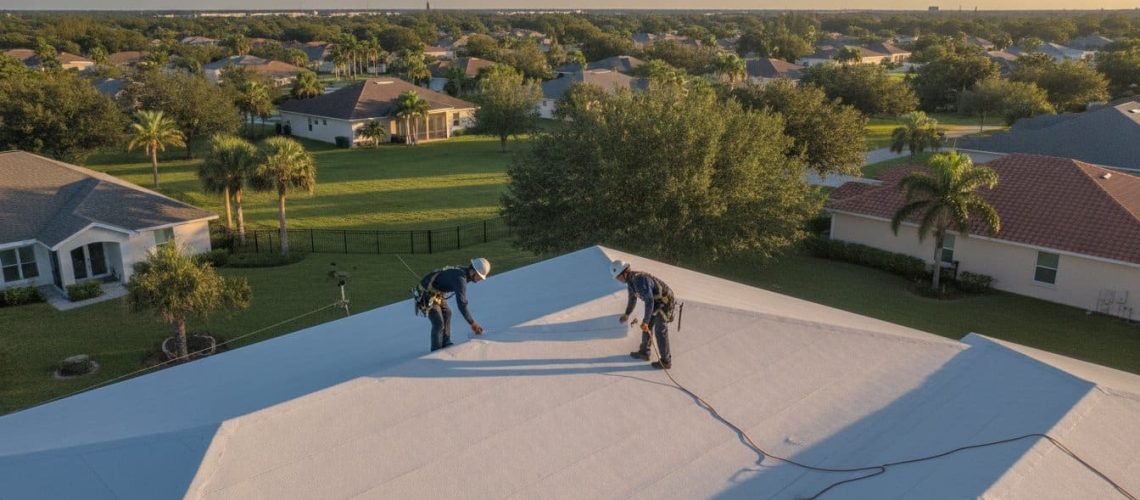

In Tampa, a flat roof isn’t just a structural necessity; it’s the primary shield protecting your home from tropical downpours that can drop inches of rain in minutes. You’ve likely felt the frustration of a persistent leak or the sting of a high energy bill caused by a roof that absorbs rather than reflects Florida’s intense heat. It’s natural to feel uneasy when hurricane season approaches, wondering if your current membrane can truly withstand 100-plus mile-per-hour winds.
We understand that your home is your greatest investment, and you need a solution that offers more than just a temporary fix. This guide reveals why modified bitumen roofing Tampa has become the premier choice for property owners seeking a leak-proof, 20-year sanctuary. You’ll learn how the latest 2026 Florida Building Code updates, including mandatory self-adhering membranes, work in your favor to create a redundant, multi-layered defense. We’ll also preview how our specialized installation process at Rainier Roofing LLC, a local staple since 2008, ensures your flat roof remains a source of protection rather than a source of stress.
Key Takeaways
- Identify why APP membranes are specifically engineered to withstand the thermal stress and high UV index typical of the Florida climate.
- Evaluate the puncture-resistant benefits of multi-layer systems compared to single-ply TPO for flat roofs that require regular maintenance access.
- Navigate the 2026 Florida Building Code requirements to ensure your modified bitumen roofing Tampa installation includes the necessary secondary water barriers for hurricane protection.
- Learn how the Rainier Process addresses local drainage challenges to prevent ponding water and extend the functional lifespan of your roof.
- Discover the long-term security of partnering with a GAF Master Elite professional who prioritizes local accountability and neighborly trust in the Tampa Bay area.
Why Modified Bitumen is Tampa’s Most Trusted Flat Roofing Solution
For decades, property owners in Florida relied on built-up roofing (BUR) or “tar and gravel” systems to manage flat surfaces. While these were durable, they lacked the flexibility needed to handle the extreme thermal expansion caused by our tropical climate. This is where modified bitumen roofing Tampa enters the picture. It’s the logical evolution of traditional asphalt, infused with specialized polymers to create a membrane that’s both tough and elastic. By reviewing the History of Modified Bitumen, we can see how this material transitioned from a European innovation in the 1960s to a global standard for low-slope durability.
In the Tampa Bay area, our roofs face a unique set of stressors. The high UV index can bake a standard membrane until it becomes brittle and cracks. Our persistent humidity also invites moisture to seep into every microscopic pore. Modified bitumen solves these issues through multi-layer redundancy. Unlike single-ply systems that rely on one thin sheet of plastic or rubber, a ModBit system typically uses two or three layers of protection. This “belt and suspenders” approach is why we recommend it for storm-prone regions. If a piece of debris punctures the top cap sheet during a summer squall, the base ply remains intact to prevent water from entering your structure.
The Anatomy of a Modern Modified Bitumen System
A high-performance ModBit roof is a composite of several critical parts. The core is a blend of asphalt and specific polymers that allow the material to stretch and contract without tearing. This mixture is reinforced with mats made of fiberglass or high-tensile polyester. These mats provide the strength required to resist wind uplift during hurricane season. Finally, the surface is coated with ceramic granules. These aren’t just for looks. They act as a shield against the 2026 UV levels we expect in Florida, reflecting solar radiation and keeping your roof surface significantly cooler than bare asphalt.
Residential vs. Commercial Applications in Tampa
While many associate this material with large office buildings or warehouses, we’ve seen a surge in residential demand. Homeowners in Lutz and Odessa are increasingly choosing modified bitumen roofing Tampa for modern flat-roof home designs or over-the-garage porches. It provides a sleek, uniform appearance that shingles can’t match on low slopes. On the commercial side, its primary advantage is impact resistance. If your building requires frequent HVAC maintenance, the multi-ply structure of ModBit handles heavy foot traffic and tool drops far better than thinner membranes. At Rainier Roofing LLC, we bring the same GAF Master Elite precision to a small residential porch as we do to a sprawling retail center.
Understanding ModBit: APP vs. SBS Systems for Florida Climates
Choosing the right version of modified bitumen roofing Tampa residents and business owners select depends largely on the specific stressors your building faces. While we previously discussed the multi-layer anatomy of these systems, the specific “modifier” added to the asphalt determines how the roof behaves under the Florida sun. APP and SBS are the two primary choices. One acts like a tough, heat-resistant plastic, while the other behaves more like a flexible, impact-absorbing rubber.
At Rainier Roofing LLC, we don’t believe in a one size fits all approach. Since 2008, we’ve seen how different roof decks react to Tampa’s intense thermal cycling. Our consultative process involves inspecting your property’s structural movement and sun exposure before recommending a specific chemistry. We want to ensure your investment lasts for the next two decades without unexpected failures.
APP: The Heat-Resistant Powerhouse
APP (Atactic Polypropylene) is a plastic modifier that significantly raises the melting point of the asphalt. This is a massive advantage during a July afternoon in Tampa when roof temperatures can soar. Because it’s more rigid, APP offers superior resistance to UV degradation and oxidation over time. We typically apply these membranes using a heat-welding or “torch-down” method. This process fuses the seams together to create a monolithic, waterproof barrier that effectively eliminates the risk of leaks at the joints. It’s a rugged solution for roofs with high sun exposure and minimal structural movement.
SBS: The Flexible Guardian
SBS (Styrene-Butadiene-Styrene) uses a synthetic rubber modifier to give the asphalt remarkable elongation properties. If your building “breathes” or experiences significant vibration from nearby traffic or industrial equipment, SBS is often the better choice. It can stretch and return to its original shape without cracking. This flexibility also makes it highly resistant to impacts. When a summer storm knocks branches or debris onto your flat roof, an SBS membrane acts as a shock absorber.
We often install SBS systems using cold-applied adhesives or self-adhering sheets. These are ideal for environments where open flames aren’t permitted or practical. If you aren’t sure which system fits your building’s needs, you can schedule a professional roof assessment with our team to explore your options. Whether you need the rigid heat defense of APP or the rubberized resilience of SBS, we provide the specialized modified bitumen roofing Tampa properties require for long-term security.
Modified Bitumen vs. TPO: Choosing the Right System for Your Property
Choosing between modified bitumen roofing Tampa and TPO often comes down to how you plan to use your roof surface. TPO is a single-ply membrane that has gained popularity for its high solar reflectivity and lightweight nature. Modified bitumen, however, is a multi-layered system that has protected Tampa properties for decades. Think of TPO as a high-tech windbreaker and modified bitumen as a heavy-duty tactical jacket. Both have their place, but they serve different protective roles for your home or business.
One of the biggest differences is puncture resistance. Because modified bitumen consists of multiple plies of asphalt-polymer sheets, it handles physical stress far better than TPO. If your roof houses heavy HVAC units or requires frequent access for maintenance, the multi-layer redundancy of ModBit is a significant advantage. A dropped tool or a heavy footstep that might pierce a single-ply TPO membrane is much less likely to compromise a ModBit system. This durability provides a level of peace of mind that is hard to match with thinner materials.
Energy efficiency is another major consideration for Florida property owners. TPO’s white surface is naturally reflective, which helps lower cooling bills by bouncing heat away from the building. Modern modified bitumen roofing Tampa systems use highly reflective granules to achieve similar results, though TPO generally maintains a slight edge in raw reflectivity. When we look at the 20-year lifecycle, ModBit often requires less frequent patching in high-traffic areas. This can offset its slightly higher initial installation labor by reducing long-term maintenance costs.
When to Choose Modified Bitumen
This system is the right choice for property owners who prioritize structural redundancy and long-term durability over the lowest possible upfront cost. We frequently recommend it for:
- Buildings with significant rooftop equipment that needs regular servicing or inspections.
- Homeowners who want a “legacy system” that feels solid and has a proven track record in the region.
- Projects where secondary water barriers are a top priority for maximum hurricane protection.
Our team at Rainier Roofing has been installing these multi-ply systems since 2008. We’ve seen firsthand how they hold up during Florida’s most intense storm cycles.
When TPO Might Be the Better Fit
TPO is often the preferred solution for large-scale commercial warehouses where the total weight of the roofing system is a primary concern. It’s also an excellent choice for owners whose main goal is achieving the absolute lowest possible cooling costs through maximum solar reflectivity. If you’re managing a large facility or a sprawling industrial complex, you might find our Complete Guide to Commercial Roofing in Tampa helpful for a deeper dive into TPO specifications and benefits.

The Rainier Process: Installation, Codes, and Tampa-Specific Maintenance
Navigating the permit process in Hillsborough and Pasco County requires a contractor who stays current with shifting local mandates. In 2026, residential roof replacement permits in the City of Tampa involve a flat fee of $181.43, plus the state-mandated 2.5 percent surcharge. We handle these administrative details for you, ensuring every project aligns with the most recent safety standards. Our team recognizes that a modified bitumen roofing Tampa installation is only as good as the deck it sits on. We begin every project with a rigorous multi-check inspection, focusing on structural integrity and deck preparation before the first ply ever touches the surface.
Flat roofs aren’t actually flat. They require a subtle pitch to move water toward specialized drainage points. Without a slope of at least one-quarter inch per foot, rainwater gathers in stagnant pools. This “ponding water” is the primary cause of premature membrane failure in Florida. We prioritize proper tapering and drainage during our installation process to prevent moisture from sitting on your roof for more than 48 hours. By addressing these foundational details, we help you achieve a roof life that can exceed 25 years with minimal intervention.
Adhering to 2026 Florida Building Codes
The 2026 building landscape in Florida is defined by the 9th Edition of the Florida Building Code and the requirements of HB 715. These regulations mandate a self-adhering modified bitumen membrane over the entire roof deck to act as a secondary water barrier. This ensures that even if the top layer is damaged during a hurricane, your home remains dry. We utilize high-performance base and cap sheets that meet strict wind uplift requirements. Our 15-plus years of local experience means we don’t just follow the code; we exceed it to provide maximum security for your family.
Post-Storm Care and Maintenance
Florida’s weather can be abrasive. After a major storm, it’s vital to check for “scouring,” which is the loss of the protective ceramic granules on your cap sheet. If you notice dark patches where granules used to be, the underlying asphalt is now vulnerable to UV damage. We offer Fixed-Fee Roof Repair Services to handle these minor patch-ups before they turn into expensive interior leaks. Keeping your gutters and scuppers clear of debris is the simplest way to protect your investment. If you want to ensure your system is ready for the next season, you can request a consultative roof inspection from our expert team. We’ve been the trusted guardians of Tampa’s flat roofs since 2008, and we’re ready to protect yours.
Secure Your Property with Rainier Roofing’s Modified Bitumen Expertise
Choosing a contractor for modified bitumen roofing Tampa properties involves more than just comparing quotes. It’s about finding a partner who will be there five or ten years from now when you have a question about your warranty. Our roots in the community run deep. Because we’ve served Brandon, Lutz, and Wesley Chapel since 2008, we understand that our reputation is built on every single roof we install. Local accountability isn’t just a buzzword for us. It’s the foundation of the neighborly trust we’ve cultivated over nearly two decades.
This standard of local excellence is mirrored by professional contractors globally; for instance, ALG Roofing Limited provides specialized roof replacements and installations for those seeking reliable roofing expertise in other territories.
Similarly, for property owners in the Denver market, Royalty Construction offers expert exterior home improvement and restoration, reflecting the same commitment to durability and professional service.
This “Protective Professional” mindset means we look at your roof as a long-term asset rather than a one-time job. We don’t cut corners on flashing or deck preparation because we know those small details prevent the massive expenses of water damage later. Investing in a high-quality system now saves you money in the long run by avoiding emergency repairs and premature replacements. When you request an estimate from us, you won’t get a high-pressure sales pitch. You’ll receive a professional consultation. We identify specific vulnerabilities on your structure and explain how a modern modified bitumen roofing Tampa system addresses those concerns.
The Value of GAF Master Elite Certification
Rainier Roofing is proud to hold the GAF Master Elite certification, a distinction awarded to only the top 2% of roofing contractors nationwide. This isn’t just a trophy on our wall. It’s a direct benefit to you. It allows us to offer enhanced warranties that uncertified roofers simply cannot provide, ensuring your investment is protected by the largest roofing manufacturer in North America. Our team undergoes continuous training on the latest 2026 application techniques, so you know your roof is being installed using the most advanced methods available today. This level of expertise brings a calm, rhythmic assurance to every project we handle.
Ready to Protect Your Investment?
A professionally installed modified bitumen system offers the long-term security your property deserves. By combining the multi-layer redundancy of asphalt with modern polymer technology, you’re creating a fortress against Florida’s extreme elements. We’ve spent years perfecting the “Rainier Process” to ensure your flat roof remains leak-proof and energy-efficient for decades to come. Don’t wait for the next major storm to test your home’s defenses. You can schedule your comprehensive flat roof inspection today and experience the peace of mind that comes from working with the guardians of the Tampa skyline since 2008.
Secure Your Flat Roof for the Decade Ahead
Choosing the right membrane chemistry and adhering to the 2026 Florida Building Code ensures your property remains dry and resilient against our unique tropical weather. A multi-ply system offers the redundancy and puncture resistance that single-ply membranes often lack. By selecting modified bitumen roofing Tampa properties gain a legacy of protection that stands up to intense UV rays and hurricane-force winds. You’ve seen how the right installation process prevents ponding water and extends your roof’s life to 25 years or more.
Rainier Roofing has been locally owned and operated since 2008. As a GAF Master Elite Certified contractor, we bring over 15 years of Tampa Bay experience to every project. We understand that your roof is your home’s primary guardian, and we’re committed to providing the peace of mind you deserve. If you’re ready to upgrade your protection, it’s time to take the next step. Protect your property with a free modified bitumen estimate from Rainier Roofing. We look forward to helping you secure your home for the long term.
Frequently Asked Questions
How long does a modified bitumen roof last in the Tampa climate?
A modified bitumen roofing Tampa system typically lasts between 15 and 20 years. While the intense Florida sun and high humidity are demanding, the multi-layered nature of this system provides a durable barrier against the elements. Regular inspections to ensure drainage remains clear can help you reach the upper end of this functional lifespan.
Is modified bitumen roofing better than TPO for residential flat roofs?
Modified bitumen is often the superior choice for residential flat roofs that experience regular foot traffic or house heavy equipment. Its multi-ply construction offers greater puncture resistance compared to single-ply TPO membranes. However, TPO may be preferred if your primary goal is maximizing solar reflectivity or achieving a longer 20 to 30 year lifespan.
Can you walk on a modified bitumen roof?
Yes, you can safely walk on a modified bitumen roof because its multiple layers are designed to withstand physical pressure. This makes it an ideal choice for properties where technicians need frequent access to HVAC units or other rooftop equipment. Its rugged surface is significantly more resistant to tool drops and heavy footsteps than thinner single-ply materials.
How much does it cost to install modified bitumen roofing in Tampa?
Total installation costs depend on several factors, including the square footage of your roof, the complexity of the drainage system, and the specific modifiers used in the asphalt. Every project also requires a City of Tampa permit and a state-mandated surcharge. We provide detailed, consultative estimates to give you a clear understanding of the investment required for your specific property.
What is the difference between torch-down and self-adhered modbit?
Torch-down systems use a high-heat propane torch to melt the asphalt and fuse the seams together, creating a monolithic waterproof bond. Self-adhered systems utilize a factory-applied adhesive on the back of the membrane, which is activated when pressed onto the deck. Both methods are effective for modified bitumen roofing Tampa installations, though self-adhered options are often preferred for sensitive residential environments where open flames aren’t ideal.
Does modified bitumen roofing require a lot of maintenance?
No, these systems are generally low-maintenance if you keep the drainage points clear of debris. Because flat roofs are susceptible to ponding water, it’s vital to ensure scuppers and gutters remain unobstructed. We also recommend a quick visual check after major storms to identify any significant granule loss that could expose the underlying asphalt to UV damage.
Is modified bitumen fire-resistant for commercial properties?
Yes, modern modified bitumen systems are designed with fire resistance in mind and typically carry high industry fire ratings. The ceramic granules on the cap sheet provide a natural barrier against sparks and external fire spread. This makes them a safe and reliable choice for commercial buildings that must adhere to strict local fire codes and safety regulations.
Can I install modified bitumen over my existing flat roof?
It depends on the condition of your current roof deck and the number of existing roofing layers. The Florida Building Code generally allows for a maximum of two roofing systems on a single structure. If your roof already has two layers or the underlying deck shows signs of moisture damage, a full tear-off is required to ensure your new system has a secure foundation.