
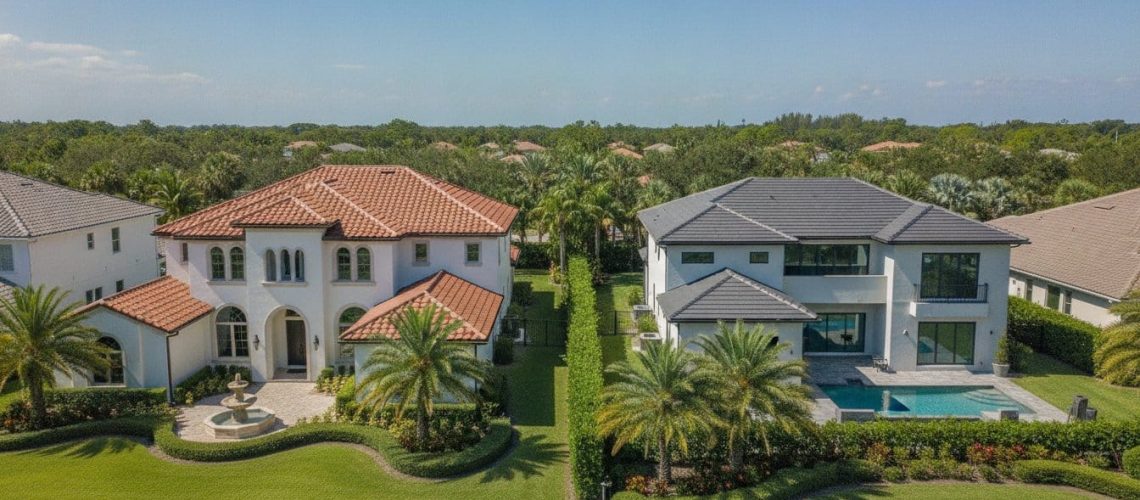

Choosing the wrong material for your roof can lead to decades of regret when the next major storm system rolls through the Gulf. While both options offer a significant upgrade over shingles, the debate of clay tile vs concrete tile for Florida homes often comes down to whether you’re looking for a 50-year solution or a 100-year legacy. You need a roof that doesn’t just look beautiful but acts as a guardian against the intense UV rays and high-velocity winds that define our local climate.
We understand the stress of weighing long-term durability against the fear of roof failure during a hurricane. It’s a significant investment, and you deserve to know exactly how these materials perform when pushed to their limits. This guide will help you discover the critical differences between clay and concrete roofing so you can choose the most durable, heat-resistant, and storm-proof option for your property.
We’ll explore how clay can withstand winds up to 140 mph and how the right tile choice could lead to insurance premium reductions of 20 to 30 percent. You’ll also learn the truth about structural weight and color retention. This ensures your home remains a safe, energy-efficient sanctuary for your family for the next half-century or more.
Key Takeaways
- Compare the lifespan and wind resistance of clay tile vs concrete tile for Florida homes to determine which material secures your property for the long haul.
- Learn how the unique thermal mass of these materials acts as a natural insulator to reduce your monthly cooling expenses during the summer.
- Discover the specific wind uplift ratings required by the Florida Building Code and how tile weight protects against severe storm damage.
- Identify the essential structural requirements your home must meet to safely support the weight of a new tile installation.
- Evaluate the long-term return on investment, including how hurricane-rated materials can significantly lower your annual home insurance premiums.
Clay vs. Concrete Tile: Choosing the Right Crown for Your Florida Home
Florida’s skyline wouldn’t be the same without the iconic terracotta waves of a tile roof. It’s the architectural signature of the Sunshine State, providing a look that is both timeless and prestigious. When you’re deciding on clay tile vs concrete tile for Florida homes, you aren’t just picking a color or a shape. You’re choosing the defensive shield that will protect your family from the elements for decades. While both materials offer a significant upgrade over asphalt shingles, they differ fundamentally in how they are made and how they perform over time.
The core difference lies in the manufacturing process. Clay tiles are crafted from natural earth and baked in a kiln at extremely high temperatures. This process creates a dense, vitrified material that is nearly impervious to the elements. Concrete tiles, on the other hand, are made from a precise mixture of Portland cement, sand, and water. They cure chemically rather than through heat. This distinction dictates everything from the roof’s total weight to its ability to maintain its color under the relentless Florida sun.
Consider these primary factors when starting your comparison:
- The Legacy Factor: Clay is often a “one-time” investment that can last for a century.
- The Versatility Factor: Concrete can be molded to mimic wood shakes, slate, or even stone.
- Thermal Performance: Both materials provide excellent insulation, but their density affects heat transfer differently.
The Mediterranean Legacy of Clay
Clay tile has protected homes in our region for generations. This material is deeply rooted in the history and types of roof tiles used across Mediterranean and coastal climates. For luxury estates in Tampa Bay, clay remains the gold standard because its color is permanent. Since the pigment is fired into the tile itself, it won’t fade or peel. Beyond its beauty, clay’s natural thermal mass helps regulate indoor temperatures. It keeps your attic cooler during those brutal July afternoons. If you’re looking for an heirloom-quality roof that can protect your structure for over 100 years, clay is the clear choice.
The Rise of Concrete Tile Versatility
Modern manufacturing has made concrete a formidable rival. Because concrete is molded, it offers a level of design flexibility that clay simply can’t match. We often see concrete tiles designed to look like rustic wood shakes or elegant slate, providing the durability of a tile system with a completely different aesthetic. It’s a professional, cost-effective solution for modern builds. While concrete doesn’t share the 100-year lifespan of clay, a properly installed system will still provide a solid 40 to 50 years of security. It’s a reliable choice for homeowners who want the protection of a tile roof with a more accessible initial investment.
Understanding the Composition: How Clay and Concrete Differ
To choose between clay tile vs concrete tile for Florida homes, you must look beneath the surface at the physical makeup of each material. While they may look similar from the curb, their chemical composition determines how they handle our state’s brutal humidity and salt-heavy air. Both materials possess high thermal mass. This means they absorb a significant amount of heat during the day and release it slowly as the sun goes down. This natural regulation helps keep your cooling costs manageable during the peak of a Tampa summer.
Porosity is a major factor in our tropical climate. Clay tiles are naturally less porous than concrete. This density prevents the tile from soaking up excess moisture during our daily afternoon thunderstorms. Concrete tiles, while incredibly strong, have a higher water absorption rate. Over time, this moisture can lead to the growth of mold or mildew if the roof isn’t properly maintained. For homes located directly on the coast, the salt air can accelerate the degradation of lower-quality materials; however, both clay and concrete are specifically engineered to withstand these corrosive conditions better than metal or shingles.
Color longevity represents the most significant gap between the two options. Clay tiles feature an integral color that is fired directly into the material. It can’t peel, scratch, or fade. Concrete tiles typically use a surface coating or a slurry of pigment applied to the top. While modern coatings are far more advanced than those of the past, they will eventually fade under the intense Florida UV index. If you notice a chalky white residue on a concrete roof, that’s efflorescence. It’s a natural occurrence where salt migrates to the surface, but it’s something we can help you manage through regular professional maintenance. If you are concerned about how your roof will age, you might want to schedule a professional roof inspection to evaluate your current structure’s needs.
Fired Clay: Durability Through High Heat
The kiln-firing process used for clay creates a glass-like bond that is practically immune to UV damage. Because the pigment is part of the tile’s body, the vibrant reds and oranges you see on day one will remain the same in year fifty. This high-heat manufacturing also makes clay tiles naturally resistant to the abrasive effects of salt spray. This makes them a superior choice for waterfront properties in Pinellas or Pasco counties.
The Engineering Behind Concrete Tiles
Concrete tiles don’t reach their full strength in a kiln. Instead, they gain durability through a long curing process. In fact, concrete tiles often get harder and more resilient as they age. This engineering makes them exceptionally good at handling physical impacts, such as falling branches or small wind-borne debris. While they require more attention regarding color maintenance, their structural integrity is a reliable shield for any family home.
The Battle Against Florida’s Elements: Sun, Salt, and Storms
Florida’s weather patterns are unforgiving. When evaluating clay tile vs concrete tile for Florida homes, you must understand how each material stands up to the triple threat of high-velocity winds, salt air corrosion, and intense UV exposure. A roof in our region isn’t just a decorative finish; it’s a structural shield for your family. Both clay and concrete tiles offer a Class A fire rating. This is the highest level of protection available, providing essential security for homes in every neighborhood from South Tampa to the Pasco coastline.
Beyond fire safety, the thermal performance of these materials is a game-changer for your monthly budget. The dense composition of tile creates a natural barrier that slows the transfer of heat into your living space. This reduces the heavy lifting your AC system has to do during a record-breaking July heatwave. By keeping your attic cooler, you’re not just saving money; you’re extending the life of your HVAC equipment. It’s a protective approach that pays dividends every time you receive a utility bill.
Hurricane Resistance and Wind Uplift
High-speed winds are a constant reality for homeowners in Hillsborough and Pinellas counties. The Florida Building Code dictates strict wind uplift requirements to ensure roofs stay attached during major storms. Clay tiles are verified to withstand winds up to 140 mph. Concrete tiles are generally rated for speeds up to 125 mph. While clay offers a higher top-end rating, concrete tiles are 15 to 25 percent heavier than their clay counterparts. This significant mass acts as a natural anchor during a hurricane. When we install these systems, we focus on individual tile fastening. This prevents a single loose tile from causing a systemic roof failure. A high-quality, modern underlayment remains the most critical component, acting as the final waterproof seal for your structure.
Salt Air and UV Protection
Coastal living in Pinellas and Pasco counties requires materials that can handle constant salt spray. Clay tiles are often considered the ultimate “set it and forget it” choice for waterfront properties. Their natural minerals are immune to the corrosive effects of salt. Concrete tiles are also exceptionally durable, but they require a bit more attention. Because concrete is more porous, it can host moss or algae growth if left unmaintained. We recommend regular professional inspections to ensure your concrete tiles remain clean and sealed. This proactive care keeps your home looking pristine and prevents the small issues that lead to expensive repairs down the road.

Weighing the Costs: Initial Investment vs. Long-Term Value
Investing in a new roof is one of the most significant financial decisions you’ll make for your property. When comparing clay tile vs concrete tile for Florida homes, the initial price tag is often the first thing people notice. Clay tiles typically represent a premium investment, often costing 30 to 60 percent more than concrete alternatives. However, a professional looks beyond the first check. You have to consider the total cost of ownership over the next fifty years. While concrete is more budget-friendly today, clay offers a century-long lifespan that can effectively eliminate the need for another roof replacement in your lifetime.
Your home’s value also sees a direct impact. In the Tampa Bay real estate market, a tile roof acts as a badge of durability and quality. Appraisers often recognize the value of these systems, and potential buyers appreciate the security they provide. Additionally, a tile roof with proper wind mitigation can lead to insurance premium reductions of 20 to 30 percent. This monthly saving helps offset the higher upfront cost of the installation over time.
Structural Weight and Reinforcement Needs
One detail often overlooked by standard contractors is the sheer mass of these materials. Concrete tiles are generally 15 to 25 percent heavier than clay tiles of a similar profile. If you’re transitioning from an asphalt shingle roof to a tile system, your home’s framing must be able to support several extra tons of weight. This is especially true for older homes in historic Tampa neighborhoods. An inspection from a licensed roofing contractor in Florida is mandatory to determine if your trusses need additional bracing or reinforcement. Skipping this step can lead to structural sagging or even ceiling cracks inside your home.
Maintenance and Color Longevity
Maintenance requirements also differ between the two materials. Concrete tiles require periodic resealing to maintain their color and prevent moisture absorption. In contrast, clay is a low-maintenance “forever” material. If you ever need tile roof repair in Hillsborough County, clay’s higher tensile strength makes it less prone to cracking during inspections. Whether you choose the 50-year reliability of concrete or the 100-year legacy of clay, the right choice depends on your long-term goals for the property. If you’re ready to secure your home’s future, contact us today for a professional structural assessment.
Making the Final Choice for Your Tampa Bay Property
Selecting the right material for your home is a balance of immediate needs and future legacy. When you weigh clay tile vs concrete tile for Florida homes, consider your property’s location and your long-term vision. Clay remains the premier choice for coastal estates where salt air and intense UV exposure are constant threats. Its 100-year lifespan and permanent, kiln-fired color offer a “set it and forget it” solution for those with a higher initial budget. It’s a true heirloom-quality material that preserves the architectural integrity of Mediterranean-style homes.
Concrete tile serves as a versatile and budget-conscious alternative for modern Florida builds. It’s the practical choice for homeowners who want the durability of a 50-year roof without the premium price of clay. Because concrete can be molded into various shapes, it’s perfect if you want the aesthetic of wood shakes or slate with the protection of a tile system. Both options significantly outperform shingles in storm resistance and energy efficiency. This ensures your family stays safe and your cooling costs stay low during our brutal summers.
Assessing Your Home’s Structural Integrity
Your current roof structure is the most important factor in this decision. If you’re currently using asphalt shingles, moving to a tile system adds thousands of pounds to your roofline. Our team at Rainier Roofing LLC takes a methodical approach to tile readiness. We perform a detailed structural assessment to confirm your home can safely support the load. Warning signs like existing ceiling cracks, doors that stick in their frames, or a slightly sagging roofline are indicators that your home may need extra bracing. We identify these issues early to prevent structural damage. This ensures your new roof is a source of security, not stress.
Why Local Expertise Matters
Navigating the specific building permits in Tampa, Brandon, and Lutz requires a partner who knows the local landscape. We’ve spent over 15 years building a reputation as a reliable, neighborly roofing partner in Hillsborough and Pasco counties. We understand how the 2026 Florida Building Code applies to your specific neighborhood. This local knowledge ensures your project moves forward without delays or compliance issues. We don’t just install roofs; we act as guardians of your home, providing a steady and confidence-inspiring process from the first inspection to the final tile placement. If you’re ready to upgrade your home’s protection, Schedule your free tile roof estimate with Rainier Roofing LLC today.
Secure Your Home’s Future with the Right Tile Choice
Your roof is the most important line of defense against Florida’s unpredictable weather. Whether you choose the 100-year legacy of kiln-fired clay or the versatile, budget-friendly protection of modern concrete, you’re making a commitment to your home’s long-term security. Both options provide superior fire resistance and energy efficiency that shingles simply can’t match. Deciding on clay tile vs concrete tile for Florida homes is easier when you have a professional partner to evaluate your home’s specific structural needs and local wind requirements.
Rainier Roofing LLC has provided reliable, neighborly service for over 15 years. We’re GAF Master Elite Certified and maintain an A+ rating for customer satisfaction, ensuring your investment is handled with the highest level of care. We don’t just install tiles; we build foundations for peace of mind. Our team is ready to guide you through the selection process and ensure your home is structurally prepared for its new crown.
Get Your Free Tile Roof Inspection and Estimate in Tampa Bay
We look forward to serving as the guardians of your family home and helping you make an investment that lasts a lifetime.
Frequently Asked Questions
Which is better for Florida hurricanes: clay or concrete tile?
Clay tiles generally offer higher wind resistance, with many products rated for speeds up to 140 mph. Concrete tiles typically handle winds up to 125 mph. However, concrete tiles are 15 to 25 percent heavier than clay, which helps anchor the roof against wind uplift. Both materials are exceptionally storm-proof when compared to asphalt shingles, provided they are installed with high-quality fasteners and a modern underlayment system.
How much more does a clay tile roof cost compared to concrete in Tampa?
Clay tiles are a premium material and usually cost 30 to 60 percent more than concrete tiles. This price difference is due to the specialized kiln-firing process and the material’s potential 100-year lifespan. While the initial investment is higher, clay’s permanent color and extreme durability often provide better long-term value for homeowners who plan to stay in their family home for the long haul.
Do tile roofs require extra structural support for Florida homes?
Most homes require a professional structural assessment before installing a tile system, particularly when switching from shingles. When comparing clay tile vs concrete tile for Florida homes, remember that concrete is the heavier option. We often find that older homes in neighborhoods like Brandon or Lutz need additional truss bracing to safely support the weight of several extra tons of material on the roofline.
How long does a concrete tile roof last in the Florida sun?
A concrete tile roof typically protects a home for 40 to 50 years in our tropical climate. While the concrete itself is incredibly resilient and actually grows stronger as it cures, the surface pigments will eventually fade under the intense Florida UV index. Regular professional maintenance and periodic resealing can help the system reach its full life expectancy while keeping your home’s curb appeal looking sharp.
Can I walk on my tile roof to clean it or install holiday lights?
Walking on your tile roof is discouraged because individual tiles can crack under concentrated weight. Clay tiles have a higher tensile strength than concrete and are slightly more resistant to breakage, but both materials require specific walking techniques. If you need to clean your roof or install decorations, it’s safer to hire a professional who knows how to navigate the surface without damaging the tiles or compromising the waterproof seal.
Do tile roofs help lower energy bills in Florida?
Tile roofs are very effective at lowering energy bills because of their high thermal mass. They absorb solar heat during the day and release it slowly at night, which keeps your attic significantly cooler. This natural insulation reduces the heavy lifting your air conditioning system has to do during a July heatwave. Many homeowners see a noticeable reduction in their monthly cooling costs after upgrading to a tile system.
What is the most common reason for tile roof failure in Florida?
The most common cause of failure is the aging of the underlayment rather than the tiles themselves. While the tiles can last 50 to 100 years, the waterproof underlayment beneath them typically lasts 20 to 30 years. When the underlayment degrades, water can reach the roof deck even if the tiles appear to be in perfect condition. This is why we emphasize the importance of regular professional inspections to catch leaks early.
Is it possible to change from asphalt shingles to tile roofing?
You can certainly transition from shingles to tile, but it is a major structural decision that requires expert guidance. When weighing clay tile vs concrete tile for Florida homes during a conversion, the primary concern is whether your existing framing can handle the added weight. We perform a thorough inspection to determine if your home needs reinforcement. If the structure is sound, a tile roof provides a massive upgrade in both home value and storm security.