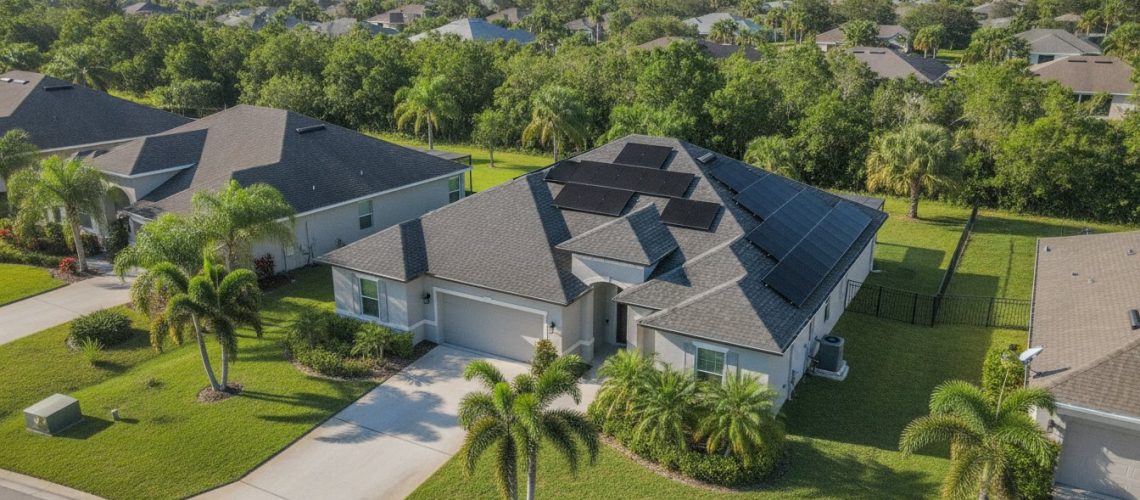

In Florida, your roof isn’t just a surface for solar panels; it’s a structural shield that must be hurricane-hardened before the first bracket is ever drilled. You’ve likely spent hours researching tax credits and energy savings, but the anxiety of a 130 mph wind gust ripping through a fresh installation is a heavy burden to carry. It’s natural to worry about potential leaks or whether your high-cost warranty will stay intact once the solar team leaves your driveway. Choosing GAF Timberline HDZ shingles for Florida climate provides the necessary foundation to withstand our unique weather patterns while offering the durability required for heavy mounting hardware.
We understand that your home is your family’s greatest protector, and we’re here to help you navigate the complexities of the 9th Edition of the Florida Building Code. This guide will show you exactly how to secure your investment by meeting the latest structural requirements while maintaining your GAF Golden Pledge coverage. You’ll discover a clear solar-ready checklist, learn the truth about wind uplift ratings, and understand why the age of your roof is the most critical factor in your solar payback period.
Key Takeaways
- Learn how the updated 2026 Florida Building Code impacts your solar project, including the structural requirements for 180mph wind resistance.
- Discover why GAF Timberline HDZ shingles for Florida climate are the preferred foundation for managing the weight and wind uplift forces of solar arrays.
- Understand the “Remaining Life” rule to avoid the high cost of removing and reinstalling panels on a roof that is nearing the end of its lifespan.
- Identify the specific steps needed to protect your GAF roofing warranty and ensure that third-party solar mounting does not compromise your long-term coverage.
- Find out why a professional roofing inspection is a critical first step for permitting and ensuring your attic ventilation meets modern standards.
Florida Building Code: Structural Load and Wind Requirements
The 2026 Florida Building Code establishes a high bar for any homeowner considering solar energy. It’s no longer enough to simply bolt panels to a roof; the law requires a comprehensive assessment of how your structure handles two distinct forces. First, there’s the dead load, which is the static weight of the panels and the Photovoltaic mounting systems. Most residential roofs in our area must support an additional 3 to 5 pounds per square foot. Second, and more importantly for our region, is the wind uplift force. For projects permitted in 2026, these systems must be engineered to withstand local wind speeds of up to 180mph.
Meeting these standards requires more than a handshake. Every solar installation in Florida now requires engineering plans that are stamped by a Florida-licensed professional engineer (PE). This ensures that your specific roof can handle the added stress without collapsing or peeling away during a storm. Choosing GAF Timberline HDZ shingles for Florida climate provides the ideal starting point for this process. They’re designed to integrate seamlessly with the high-wind fastening patterns required by modern codes, giving you a foundation that’s as strong as the panels themselves.
Understanding Wind Uplift in Hurricane Zones
Wind uplift is the primary cause of solar-related roof failure during Tampa storms. When high-speed air moves over the panels, it creates a vacuum effect that tries to pull the entire system off the roof. This is why High-Velocity Hurricane Zone (HVHZ) standards are so strict. To prevent failure, mounting hardware can’t simply be screwed into the thin roof decking. Proper installation requires that every lag bolt penetrates deep into the rafters. This direct connection to the home’s skeleton is what keeps your panels secure when the wind begins to howl.
Minimum Decking Thickness for Solar Mounting
The foundation of your roof is the decking, and the 2026 code is very specific about its strength. We find that 7/16-inch OSB is the bare minimum required for a solar-ready roof today. This presents a challenge for many 1990s Tampa homes that were built with thinner plywood. Installing heavy solar arrays on compromised or thin decking is a recipe for structural sagging and leaks. If your current decking doesn’t meet these standards, we prioritize reinforcing or replacing it during a roof replacement in Tampa. Using GAF Timberline HDZ shingles for Florida climate over a reinforced 7/16-inch base ensures your home remains a safe, dry sanctuary for decades.
The ‘Remaining Life’ Rule: GAF Timberline HDZ Shingles for Florida Climate
Installing solar panels on an aging roof is a gamble that rarely pays off for Florida homeowners. The general rule is simple: if your roof has less than 10 to 12 years of remaining life, you should replace it before the panels go up. While solar installers focus on energy production, we focus on the structural integrity beneath those racks. Our intense UV index degrades asphalt shingles significantly faster than the national average, often turning a 25-year shingle into a 15-year reality. If you ignore this and install panels on a 12-year-old roof, you’ll likely face a bill of $3,000 or more just to remove and reinstall the equipment when the roof inevitably fails five years later. This financial trap effectively wipes out years of energy savings.
The Florida Building Code 8th Edition and subsequent updates emphasize that the underlying material must be capable of supporting the system for its entire lifespan. We recommend a professional inspection to determine if your current surface can handle the transition. Asphalt shingles remain the most common choice, but they require a specific level of health to be viable. If you’re unsure about your roof’s current health, you can schedule a detailed assessment with our team to verify your remaining life before signing a solar contract.
Asphalt Shingle Requirements (GAF Timberline HDZ)
GAF Timberline HDZ shingles for Florida climate are the preferred foundation for residential solar. Their proprietary LayerLock technology creates a strike zone that ensures fasteners are driven precisely, providing the mechanical strength needed to support solar racking. However, even the best shingles have limits. Before mounting, we look for signs of advanced aging like heavy granule loss or brittleness. These issues are often exacerbated by “thermal shock.” When solar panels are installed, they trap a layer of super-heated air against the shingles. This heat can accelerate the breakdown of the asphalt binder, making a high-quality foundation like GAF essential to prevent premature failure.
The Standing Seam Metal Advantage
If you’re building for the next thirty years, metal roofing in Tampa is the gold standard for solar integration. Standing seam systems allow for the use of S-5! clamps, which attach directly to the raised ribs of the roof. This means your solar array is secured without a single penetration through the roof deck, eliminating the risk of leaks entirely. Since a quality metal roof easily outlasts the 25-year lifespan of modern solar panels, you won’t have to worry about the costly removal and reinstallation process that plagues asphalt owners.
Impact of Solar Panels on Your GAF Roofing Warranty
You’ve invested in a premium roofing system to protect your family, but a single solar installer’s drill bit can put that entire investment at risk. This is what we call the “Third-Party Trap.” Most homeowners don’t realize that while GAF provides an industry leading warranty, they aren’t responsible for damage caused by another company. If a solar technician improperly seals a mounting bracket and causes a leak, GAF will likely deny your claim because the failure wasn’t due to a manufacturing defect. This creates a stressful gap in coverage where the solar company blames the roofer, and the manufacturer blames the installer, leaving you stuck with the bill.
It’s vital to distinguish between manufacturer and workmanship warranties. GAF covers the shingles and components themselves, while your roofing contractor covers the installation quality. When you introduce a solar company, they often provide their own warranty for the mounting points. However, their “roof penetration warranty” rarely matches the comprehensive protection of a GAF Master Elite installation. To maintain your peace of mind, the standard practice in Florida is to have your original roofing contractor sign off on all solar penetrations. This ensures that the integration of GAF Timberline HDZ shingles for Florida climate remains watertight and compliant with the manufacturer’s strict standards.
Protecting Your GAF Golden Pledge Warranty
The GAF Golden Pledge is the highest level of protection available, covering the entire roofing system, including flashing and factory-certified components. Because this warranty is so inclusive, GAF is very specific about who can work on the roof. If an uncertified solar crew compromises the flashing, you risk voiding the labor coverage that makes the Golden Pledge so valuable. We coordinate directly with solar providers to oversee the mounting process. This proactive approach ensures that any necessary roof repair Tampa FL is handled by certified experts, keeping your 50-year coverage fully intact.
Required Flashing Standards for Solar Mounts
Florida’s heavy rain seasons present a unique challenge called the “puddle problem.” When solar panels are mounted too close to the roof surface, debris like pine needles and leaves can trap water against the shingles. Inferior flashing around mounting posts will eventually succumb to this constant moisture, leading to rot in the roof deck. We follow NRCA (National Roofing Contractors Association) standards, which mandate specific flashing heights and sealing techniques for all solar penetrations. For GAF Timberline HDZ shingles for Florida climate, we often recommend elevated mounting systems. These systems allow for better water flow and airflow, reducing the “thermal shock” mentioned earlier and preventing moisture from sitting against your shingles during our daily summer downpours.

Solar-Ready Roof Checklist for Tampa Bay Homeowners
A solar representative’s primary goal is to sell panels, but our goal is to ensure your home remains a dry and safe sanctuary. Before you sign a contract, you must have a licensed roofing contractor perform a pre-solar inspection. A solar rep might miss subtle signs of wear that could lead to a catastrophe once 2,000 pounds of equipment are bolted to your trusses. We look specifically for shingle adhesion and sealant health. If your roof uses GAF Timberline HDZ shingles for Florida climate, we verify they still meet WindProven standards. This ensures the shingles won’t lift or tear when the wind accelerates around the edges of your solar array.
Ventilation is another critical factor for 2026 standards. Solar panels trap a layer of stagnant, hot air against your roof. If your attic ventilation isn’t sufficient, this heat can bake your shingles from both sides, leading to premature failure. When we install GAF Timberline HDZ shingles for Florida climate, we ensure the ventilation system is optimized to handle the unique heat profile of a solar-equipped roof. We also check the health of your flashing in valleys and around pipes. These areas will be covered by panels for the next 25 years, making it impossible to perform maintenance once the system is live.
Attic and Rafter Inspection
Our team goes beyond the surface by entering your attic to inspect the structural bones of your home. We check for existing water stains that solar panels would hide from view. It’s much cheaper to fix a small leak now than to wait until it becomes a structural rot issue under a solar rack. We also ensure your rafters aren’t cracked or bowed. In older Florida homes, we sometimes find that rafters need “sistering.” This process involves reinforcing existing beams with additional lumber to safely support the weight of a modern solar array.
Gutter and Drainage Capacity
Solar panels act as a giant umbrella for your house. During a typical Florida downpour, they concentrate massive amounts of water into specific sections of your roof rather than letting it shed naturally. This “waterfall effect” can quickly overwhelm standard gutters, leading to foundation erosion or landscape damage. You may need a seamless gutter installation with higher capacity to handle this concentrated runoff. Properly sized gutters are a vital part of your home’s defense system. If you want to ensure your roof is truly ready for a 2026 solar project, you can request a professional solar-ready inspection from our Master Elite team.
Preparing Your Roof for Solar with Rainier Roofing LLC
Since our founding in 2008, we’ve stood as a steady, reliable presence for homeowners across the Tampa Bay area. We understand that a solar array is a 25-year commitment, and it requires a structural foundation that won’t falter when the next hurricane approaches. Our 15+ years of local experience allow us to spot the specific climate-related stressors that a general solar representative might overlook. Because we’re GAF Master Elite contractors, we belong to the top 2% of roofers in the country. This certification ensures that your installation of GAF Timberline HDZ shingles for Florida climate meets the highest possible standards for durability, allowing you to mount panels with absolute confidence.
Lenders and insurance carriers are becoming increasingly cautious about solar projects in our region. Many solar lenders now require a professional roof certification before they’ll release funds for an installation. We provide these expert evaluations, giving both you and your lender proof that the roof is structurally sound and code-compliant. We’ve developed a comprehensive solar-ready inspection process that identifies structural weaknesses, ventilation gaps, or shingle degradation before the panels are ever delivered to your driveway. This proactive approach prevents the nightmare scenario of having to tear down a new solar system to fix a preventable roof leak.
The Rainier Guardian Process
We don’t just act as contractors; we serve as the guardians of your family home. Our Rainier Guardian Process involves working directly alongside your chosen solar installer to ensure every mounting point is sealed according to GAF’s strict warranty requirements. We believe in neighborly trust and personal accountability. If our inspection reveals that your roof isn’t ready for solar, we’ll tell you the truth rather than letting you risk a major investment. We provide free estimates for roof strengthening and solar-ready upgrades, ensuring your GAF Timberline HDZ shingles for Florida climate are prepared for the added weight and heat of a solar array.
Next Steps: Schedule Your Pre-Solar Inspection
Don’t risk a $30,000 solar investment on a $10,000 roof problem. The cost of removal and reinstallation can quickly erase your energy savings if your roof fails prematurely. Contact us today for a professional evaluation of your roofing requirements. Our team is ready to help you build a solar-ready foundation that protects your home for decades to come. Schedule your free solar-ready roof inspection today!
Secure Your Solar Investment with a Hurricane-Hardened Foundation
You now have the roadmap to navigate the 2026 Florida Building Code and the critical “Remaining Life” rule. By prioritizing structural integrity and professional inspections, you’re preventing the costly mistakes that often plague rushed solar projects. Protecting your GAF warranty while ensuring your rafters and decking are solar-ready is the only way to guarantee a long-term return on your investment. It’s about more than just energy; it’s about maintaining the shield that protects your family.
Choosing GAF Timberline HDZ shingles for Florida climate provides the mechanical strength and wind resistance necessary for our intense weather. As a GAF Master Elite contractor with over 15 years of Tampa Bay expertise and an A+ BBB rating, we’re ready to serve as the guardians of your home. We’ll ensure your foundation is prepared for the next 25 years of sun and storms. Don’t leave your home’s safety to chance before going solar.
Protect your solar investment with a GAF Master Elite roof inspection from Rainier Roofing.
Your journey toward sustainable energy is an exciting step for your family, and we’re here to make sure it’s built on a foundation of total security.
Frequently Asked Questions
Do I need a new roof to install solar panels in Florida?
You only need a new roof if your current one has less than 10 to 12 years of useful life remaining. Installing solar on an older roof is a major financial risk because you’ll eventually pay thousands to remove and reinstall the panels when the shingles fail. If your roof is nearing the end of its cycle, replacing it with GAF Timberline HDZ shingles for Florida climate ensures your foundation lasts as long as your 25-year solar investment.
Will solar panels void my GAF roofing warranty?
Installing solar panels does not automatically void GAF’s limited warranties, but the solar installer becomes responsible for any leaks caused by their penetrations. If an installer damages the shingles or flashing, GAF will likely deny a claim for that specific area. To protect your coverage, you should have a GAF Master Elite roofer inspect and sign off on the solar mounting points to ensure they meet factory standards.
What is the Florida wind speed requirement for solar panels in 2026?
The 2026 Florida Building Code mandates that solar systems withstand local wind speeds up to 180mph in specific coastal and high-velocity zones. This requirement ensures that the panels and mounting hardware don’t become dangerous projectiles during a hurricane. Every project permitted after the new code takes effect must include engineering plans stamped by a Florida-licensed professional engineer to prove it meets these uplift standards.
Can my HOA stop me from installing solar panels on my roof?
No, Florida Statute 163.04, also known as the Solar Rights Act, prevents homeowners associations from prohibiting the installation of solar panels. While an HOA can request minor aesthetic changes or ask you to place panels on a specific side of the roof, they cannot legally block the project or force a design that significantly reduces the system’s efficiency. You have the legal right to protect your home’s energy future.
How much weight do solar panels add to a Florida roof?
A standard residential solar array adds between 3 and 5 pounds per square foot to your roof’s dead load. While this sounds minor, it’s a constant pressure that your trusses and rafters must be able to support for decades. A professional structural inspection is required during the permitting process to ensure your home’s skeleton can handle this weight plus the massive uplift forces generated by Florida wind gusts.
Is my roof too old for solar if it was built in 2015?
It’s very likely that a roof from 2015 needs an inspection before you move forward. Florida law now allows insurance carriers to non-renew policies for roofs 15 years or older unless a certified inspection shows at least five years of remaining life. Since your roof is already a decade old, you don’t want to install a 25-year solar system only to have your insurer demand a roof replacement three years later.
Do I need a separate permit for the roof and the solar panels?
Yes, these are typically filed as two separate permits with your local building department. The roofing permit covers the structural integrity and high-wind fastening of the shingles, while the solar permit focuses on the electrical engineering and mounting hardware. We coordinate with solar providers to ensure the roofing permit is finalized and inspected before the solar crew begins their work, keeping your project code-compliant.
What happens to solar panels during a Category 5 hurricane?
If your system is engineered to the latest 2026 standards, the panels are designed to stay attached even in extreme conditions. The biggest threat is usually flying debris rather than the wind itself. Using GAF Timberline HDZ shingles for Florida climate provides a high-wind foundation that resists shingle tear-off, which is critical for keeping the mounting brackets anchored firmly to the rafters during the intense pressure of a Category 5 storm.