
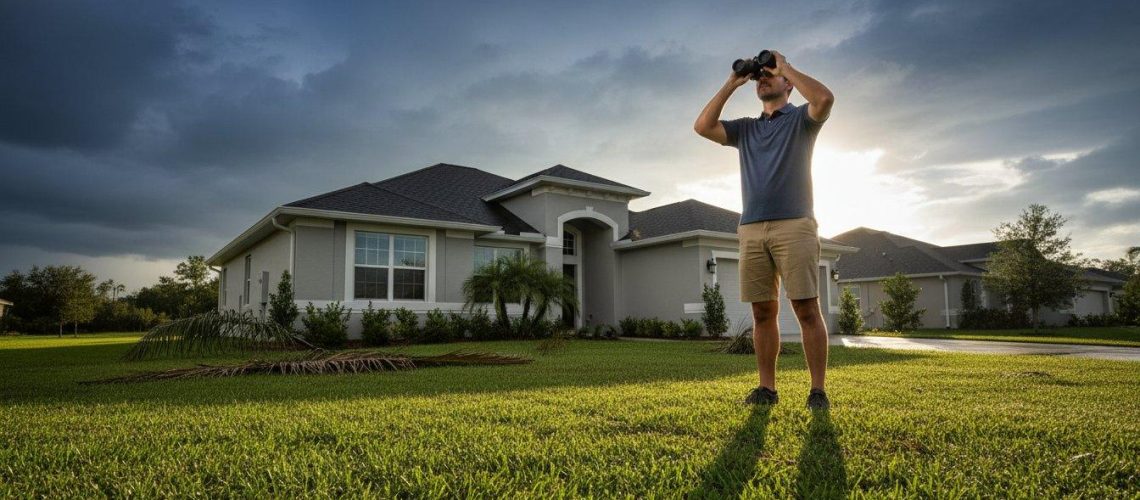

Last Tuesday, a South Tampa homeowner noticed a faint yellow ring on their guest room ceiling that didn’t exist before the heavy afternoon downpour. If you’ve lived in Florida for even one season, you know that the most dangerous threats to your home often stay hidden until the damage is already done. Identifying the specific signs of roof damage after storm Tampa events is the only way to prevent a small leak from spiraling into a $12,000 structural repair or a complex mold infestation.
We understand the anxiety that comes with hurricane season and the frustration of dealing with aggressive “storm chaser” contractors who lack local roots. Since 1987, Rainier Roofing LLC has focused on providing the honest, professional guidance our neighbors deserve to keep their families safe. You’ll learn how to spot hidden storm damage using our professional checklist to protect your home from leaks and costly repairs. This guide covers clear red flags you can see from the safety of the ground, the difference between cosmetic and structural issues, and exactly when it’s time to call for an emergency tarping service.
Key Takeaways
- Learn how to safely assess your home’s exterior using the “Binocular Method” to spot potential issues without ever stepping onto a ladder.
- Discover how to identify the subtle signs of roof damage after storm Tampa weather events, such as shingle “bruising” or broken adhesive seals.
- Find out why a simple attic “Light Test” is a critical step in detecting hidden structural vulnerabilities before they turn into costly leaks.
- Understand why a professional GAF Master Elite inspection is necessary to catch the microscopic damage that ground-level checks often miss.
- Get a clear roadmap for your next steps, from securing emergency tarping to gathering the right documentation for a smooth insurance claim process.
Immediate Post-Storm Safety: The Ground-Level Visual Checklist
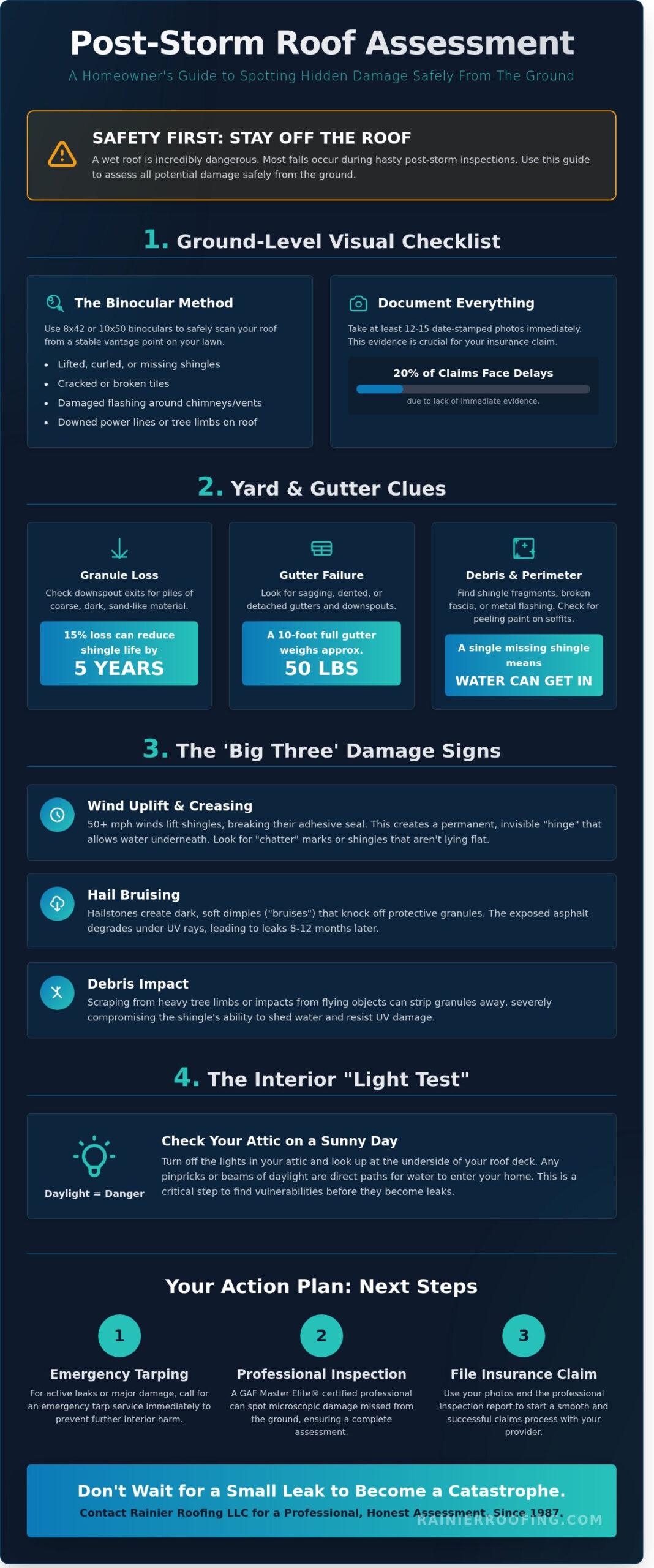
Safety is the first priority at Rainier Roofing. After a Florida squall passes through your neighborhood, the urge to climb a ladder and inspect the tiles or shingles is strong. You should resist this impulse. A wet roof surface is incredibly slick, and structural compromises aren’t always visible to the untrained eye. Since 1987, we’ve seen that most falls occur during these hasty post-storm inspections. Stay on the ground. Your safety is worth more than a quick glance at a ridge vent.
The safest way to identify signs of roof damage after storm Tampa conditions is the binocular method. Grab a pair of 8×42 or 10×50 binoculars and walk the perimeter of your lawn. This allows you to spot lifted shingles or cracked tiles from a stable vantage point. While you’re scanning, look for immediate hazards. High winds often snap limbs from heavy live oaks or displace TECO power lines. If you see a downed line within 15 feet of your home, stay back and call for professional help immediately. Identifying the components in the Anatomy of a Roof helps you communicate clearly with your insurance adjuster later.
Documentation is your best tool for a successful claim. Use your smartphone to take at least 12 to 15 date-stamped photos of the roof from the ground. Capture images of the entire house and close-ups of any debris. Statistics show that 20% of insurance claims face delays due to lack of immediate evidence. Having these photos ready provides the “Rainier Difference” in speed and reliability when we begin your professional assessment.
What to Look for in Your Yard and Gutters
Check your downspout exits for heavy granule loss. If you find piles of material that look like coarse dark sand, your shingles have likely suffered significant impact or age-related wear. A 15% loss of granules can reduce the lifespan of an asphalt shingle by 5 years. Look for 3-inch or 4-inch pieces of broken fascia or metal flashing that may have blown off. Even a single missing shingle fragment means the water-shedding layer is breached, leaving your decking vulnerable to Tampa’s 80% average humidity.
Signs of Perimeter and Gutter Failure
Heavy Florida rains dump 2 to 3 inches of water in under an hour, which puts immense weight on your drainage system. Look for sagging gutters or areas where the metal has pulled away from the house. A 10-foot section of gutter filled with water weighs roughly 50 pounds; this weight often pulls gutter spikes loose during high winds. Dented downspouts are another clear indicator of hail or flying debris impact. Finally, check the wood along the roof’s edge. Peeling paint or new water stains on the soffit suggest that water is backing up behind the drip edge.
The ‘Big Three’ Signs of Roof Damage for Tampa Homes
Identifying the most common signs of roof damage after storm Tampa weather patterns helps you act before a small leak becomes a major replacement. High winds and flying debris act quickly to compromise your home’s exterior. We’ve protected local families since 1987, so we understand how Florida weather tests a structure. Before you step outside to inspect your property, review the Immediate Post-Storm Safety guidelines provided by FEMA to ensure your surroundings are secure.
Wind Uplift and Shingle Creasing
Wind doesn’t always rip shingles completely off. Instead, it creates a “hinge” effect. When gusts reach 50 mph or higher, they lift the shingle edge and break the factory adhesive seal. This creates a permanent, invisible crack in the shingle mat. We frequently install GAF LayerLock technology because it’s specifically engineered to withstand these 110 mph Florida wind patterns. Look for “chatter” marks or shingles that appear slightly lifted. If the seal is broken, the shingle can no longer protect your home from the next afternoon downpour.
Hail Bruising and Granule Displacement
In neighborhoods like Lutz or Odessa, localized hail often causes more long-term trouble than coastal winds. Hailstones as small as 1 inch create “bruises” or dark, soft dimples on the shingle surface. These impacts knock away the protective granules that shield the asphalt from the sun. You might not see a leak for 8 to 12 months, but the intense Florida UV rays will quickly degrade the exposed areas. Check your downspouts for an unusual accumulation of granules, as this is a primary indicator of hail impact.
Tampa’s grand oak trees pose a specific threat during hurricane season. Even if a tree doesn’t fall, heavy branches scraping against the roof can strip away years of life from your shingles. For homeowners with specialized materials, the signs of roof damage after storm Tampa events look different:
- Clay Tiles: Look for hairline cracks or “starred” fractures caused by debris impact.
- Metal Roofs: Inspect standing seam systems for deep dents that could trap standing water and lead to corrosion.
- Flashing: Check the metal around chimneys and vents for buckling or separation.
Our team at Rainier Roofing values the “Rainier Difference,” which means we prioritize your home’s long-term security over a quick fix. If you suspect your roof has been compromised, a professional damage assessment can provide the clarity you need to move forward with confidence.
Interior Red Flags: What Your Attic Reveals About Your Roof
After the clouds clear, the safest way to identify signs of roof damage after storm Tampa events is to head into your attic. Your attic acts as a diagnostic center for your home’s health. It reveals secrets that shingles might hide from the ground. Start by turning off all lights and looking up. If you see pinpricks of daylight peeking through the roof boards, you have a structural emergency. These gaps aren’t just letting in light; they are direct entry points for Florida’s wind-driven rain.
Rainier Roofing has protected local families since 1987, and we’ve seen how quickly a small breach becomes a major headache. Beyond light, pay close attention to your insulation. Healthy fiberglass should be fluffy. If you notice matted, flat, or damp patches, your underlayment has likely failed. Don’t ignore the air quality either. If the attic smells earthy or unusually musty, mold is likely colonizing. In the 90% humidity typical of the Tampa Bay area, mold spores begin to grow within 24 to 48 hours of moisture exposure.
Spotting Active Leaks and Moisture Intrusion
Water rarely travels in a straight line. It often enters at high-risk points like chimneys, skylights, or plumbing vents and runs along a rafter before dripping onto your ceiling. Use the “Drip Line” trick by mapping interior ceiling stains to the exterior features directly above them. Because water compromises structural integrity so quickly, a professional roof leak repair in Tampa must happen within 48 hours of the initial storm to prevent permanent drywall rot and electrical hazards.
Structural Warning Signs in the Attic
Inspect the plywood decking between your rafters for any signs of sagging or dipping. When the wood substrate absorbs excessive moisture, it loses its load-bearing capacity and begins to warp. Look for dark, vertical streaks on the rafters. These marks often track the path of water from the ridge vent down to the eaves. Proper ventilation is your best defense here. It allows the attic to breathe and dry out. Without it, trapped moisture leads to rapid wood rot that can compromise your entire roof system. We focus on the Rainier Difference by ensuring your ventilation system is robust enough to handle the 100-degree days that follow our summer storms.
The Professional Inspection: GAF Master Elite Standards
While a ground-level walk-around helps you identify obvious issues, a professional evaluation is the only way to ensure your home remains watertight. Rainier Roofing has served the Tampa Bay area since 1987. We understand how our local 90-degree humidity and 100-mph wind gusts impact different materials over decades. A professional ladder or high-resolution drone inspection identifies subtle signs of roof damage after storm Tampa events, such as micro-fissures in tile or compromised seal strips on shingles that aren’t visible from the driveway. Our team uses these tools to find what the untrained eye misses, preventing small leaks from turning into structural rot.
We don’t just look at the surface. Our inspectors evaluate the “Total Roofing System.” This comprehensive approach includes:
- Underlayment Integrity: Checking for moisture trapped beneath the primary material.
- Flashing Security: Verifying that metal seals around chimneys and dormers haven’t pulled away.
- Ventilation Flow: Ensuring that wind-blown debris hasn’t clogged the ridge vents or soffits.
We also act as your technical advocate. When an insurance adjuster visits your property, they’re looking for specific evidence. We provide the documentation they need to see. We highlight the signs of roof damage after storm Tampa that adjusters might overlook, ensuring your claim reflects the actual state of your property and your family’s safety.
Why Certification Matters Post-Storm
Choosing a GAF Master Elite roofer in Tampa means you’re working with a contractor in the top 2% of the industry. This certification isn’t just a badge; it’s a guarantee of factory-backed standards. These inspections protect your long-term shingle warranty, which can be voided if repairs aren’t performed by certified hands. After a hurricane, “storm chasers” often flood Florida with low-bid offers. These out-of-state companies lack the local licensing and deep community roots required to stand by their work years later.
The Full Inspection Report
A quality assessment provides more than just a verbal quote. You receive a comprehensive digital report featuring high-definition photos, precise measurements, and a clear repair vs. replacement analysis. This documentation is essential for roof repair in Hillsborough County, as it provides a factual roadmap for the work required. We believe in transparency, so you’ll see exactly what we see before any shingles are moved.
Protect your home with a certified inspection today. Contact Rainier Roofing for a professional storm damage assessment.
Next Steps: Tarping, Insurance, and Restoring Peace of Mind
Once you spot signs of roof damage after storm Tampa, your priority shifts to immediate protection. Water doesn’t wait for a convenient time to enter your home. If your roof has an active leak or missing shingles, professional emergency roof tarping services prevent secondary damage to your ceilings and insulation. Rainier Roofing has provided these critical interventions since 1987, ensuring your interior stays dry while we finalize the permanent repair plan.
Navigating the Insurance Claim Process
When you contact your provider, have your photos and your Rainier Roofing inspection report ready. You need to know if your policy covers Replacement Cost Value (RCV) or Actual Cash Value (ACV). An RCV policy covers the total cost to replace your roof at today’s prices. In contrast, ACV subtracts depreciation based on the roof’s age, which can leave you with a 40% or 50% gap in funding. Insurance adjusters often overlook subtle signs of roof damage after storm Tampa, but our detailed reports ensure every damaged shingle is accounted for in the estimate. We understand the Florida insurance landscape and help you address claims that have been unfairly undervalued.
Restoring Your Home’s Protection
A storm is often the right time to upgrade your home’s defense system. We recommend GAF Timberline HDZ shingles because they feature LayerLock technology. These shingles are engineered to withstand the 130 mph winds common during Florida hurricanes. Upgrading during a repair cycle is a proactive way to ensure your home is better prepared for the next season than it was for the last one.
We schedule repairs quickly to beat the next afternoon squall. During the final walkthrough, we verify the “Rainier Difference” by checking every valley, flashing point, and nail for a watertight seal. Our team has maintained a reputation for integrity in the Tampa Bay area for over 37 years. To finish the process, we register your GAF Golden Pledge warranty. This offers a 25-year workmanship guarantee, providing the long-term security your family deserves. Don’t let a storm compromise your safety; let us restore your home to a state of total protection.
Protect Your Tampa Home and Restore Your Security
Spotting the early signs of roof damage after storm Tampa events is essential to preventing long-term structural issues. You now know how to identify missing shingles from the safety of your lawn and why checking your attic for damp insulation or water stains is a critical step. These small details often point to larger problems that require professional attention before the next Florida rain cloud arrives. Since 1987, our family-owned team has stood as a guardian for local homeowners, providing the reliability you need during stressful times.
We take pride in our status as a GAF Master Elite Certified contractor, an honor earned by only the top 2% of roofing companies nationwide. This certification, paired with our A+ rating from the Better Business Bureau, ensures your home receives the highest level of craftsmanship and care. We understand the unique challenges our climate presents and offer the steady, methodical service required to restore your peace of mind. Don’t wait for a minor leak to become a major headache.
Schedule Your Free Storm Damage Inspection with Rainier Roofing today. We’re ready to help you move forward with confidence.
Frequently Asked Questions
How can I tell if my roof has storm damage from the ground?
You can identify many issues by walking the perimeter of your home and looking for missing shingles or metal flashing in your yard. Use binoculars to spot lifted asphalt shingles, cracked tiles, or “bruises” on the roof surface, which are common signs of roof damage after storm Tampa weather events. Check your downspouts for a heavy accumulation of granules, as losing more than 15% of your shingle surfacing can lead to premature leaks.
Does homeowner’s insurance in Florida cover roof damage from a storm?
Most standard Florida HO3 policies cover wind and hail damage as long as the event was sudden and accidental. According to Florida law, your insurer typically pays for a full replacement if more than 25% of the roof area is damaged within a 12-month period. We recommend reviewing your specific deductible, as many Tampa policies have a separate hurricane deductible ranging from 2% to 10% of your home’s total insured value.
What happens if I don’t repair minor storm damage immediately?
Small leaks often lead to wood rot and toxic mold growth within 48 to 72 hours of moisture exposure. A single missing shingle allows water to penetrate the underlayment, which can cause $5,000 or more in interior ceiling and drywall damage during the next rain. If you delay repairs, insurance companies may deny future claims based on a “failure to mitigate” clause in your policy. It’s best to act now to ensure the long-term integrity of your home.
Is it better to repair or replace a roof after a hurricane in Tampa?
The decision depends on the age of your roof and the extent of the impact. If your roof is over 15 years old and has sustained damage to 25% or more of its surface, the Florida Building Code often requires a full replacement. For newer roofs with localized issues, a professional repair can extend the life of your system by another 5 to 10 years. Our team has provided these honest assessments since 1987 to help families find the most protective solution.
How long do I have to file a roof damage claim after a storm in Florida?
You have exactly 1 year from the date of the storm to file a property insurance claim under Florida Statute 627.70132. This timeline was shortened from 2 years following legislative changes in December 2022 to help stabilize the insurance market. We suggest documenting the damage with date-stamped photos immediately after the event. Waiting too long makes it difficult to prove the storm caused the specific leaks you’re experiencing.
Can I perform my own storm damage roof inspection?
You should only perform a visual inspection from the safety of the ground to look for obvious signs of roof damage after storm Tampa winds. Climbing a ladder after a storm is dangerous because shingles may be loose and the underlying decking could be soft from water intrusion. With over 150,000 ladder-related injuries occurring annually in the U.S., it’s safer to let our trained professionals handle the high-altitude work. We use specialized equipment to ensure a thorough and safe evaluation.
What are the most common signs of a roof leak after a Tampa storm?
Look for dark water stains on your ceiling or bubbling paint on your walls, which typically appear within 24 hours of a heavy downpour. If you enter your attic and notice damp insulation or a musty odor, water has likely bypassed your shingles or flashing. You should also check for “light leaks” in the attic during the day; if you can see sunlight through the roof boards, water will definitely find its way in. These symptoms require immediate professional attention to prevent structural decay.
Why should I choose a GAF Master Elite contractor for storm repairs?
Only 2% of roofing contractors in North America earn the GAF Master Elite title, a credential that reflects our commitment to superior craftsmanship and ongoing training. This status allows us to provide the Golden Pledge Warranty, offering 50 years of non-prorated coverage on your roofing system. Choosing a certified expert ensures your home is protected by materials rated to withstand 130 mph winds. Since 1987, we’ve focused on providing this “Rainier Difference” to give our neighbors total peace of mind.