
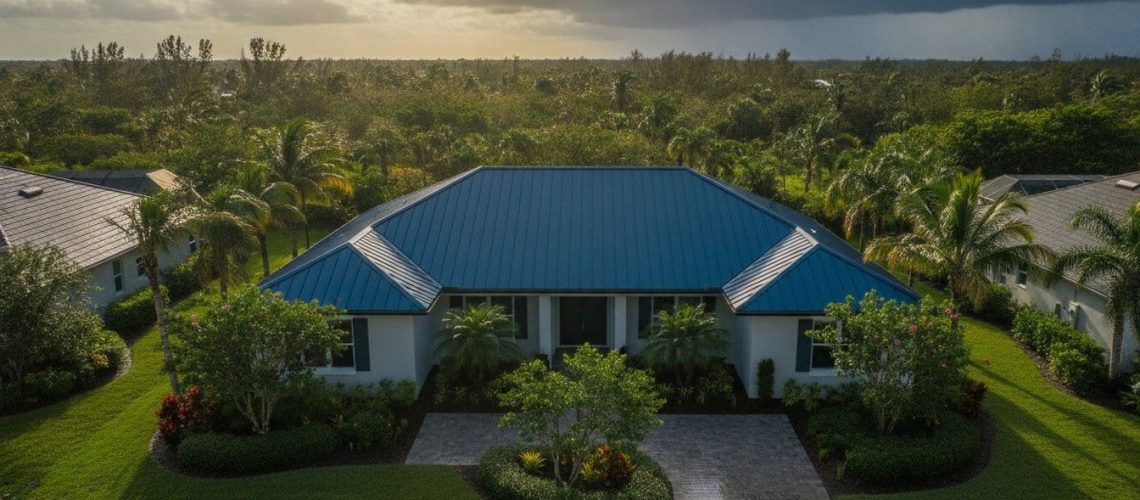

What if the smaller number on your roofing estimate actually provides the strongest shield against a Category 4 hurricane? When you are researching the right standing seam metal roof gauge for Florida, the reverse logic of metal thickness often leads to confusion. It’s stressful to weigh technical specs while trying to protect your family from the next major storm. We understand that a roof isn’t just a line item on a budget; it’s a long-term commitment to your home’s safety and your family’s security.
You likely want a roof that stands tall against high winds without those distracting, wavy ripples known as oil canning. We agree that your home deserves a finish that looks as professional as it performs. This guide helps you master the technical differences between 24 and 26 gauge steel so you can choose a system that meets or exceeds the 2023 Florida Building Code. We will compare structural durability, long-term cost efficiency, and insurance savings to ensure your investment stays beautiful and secure for up to 70 years.
Key Takeaways
- Demystify the “reverse” numbering system to understand why a lower gauge indicates a thicker, more protective metal panel for your home.
- Identify why 24-gauge is the superior choice to prevent “oil canning” waves and unsightly denting from storm-driven debris.
- Learn how to choose a standing seam metal roof gauge for Florida that meets high-velocity wind requirements and rigorous Miami-Dade structural standards.
- Determine if your coastal location requires the specific corrosion resistance of aluminum thickness over traditional steel gauges.
- Gain peace of mind by following professional recommendations for a roof that survives hurricane season with its structural integrity and beauty intact.
Understanding Metal Roof Gauges: The ‘Reverse’ Math for Homeowners
Selecting the right standing seam metal roof gauge for Florida starts with a bit of counter-intuitive logic. In the steel industry, the gauge number actually goes down as the metal gets thicker. This means a 24-gauge panel is significantly more robust and heavier than a 26-gauge panel. Gauge is the measurement of steel thickness where lower integers represent increased mass. For homeowners in our hurricane-prone region, this thickness is the primary line of defense against high-velocity winds and impact damage.
You will generally see four options in the Florida market: 22, 24, 26, and 29 gauge. While 22-gauge is exceptionally heavy and usually reserved for specialized commercial projects, 24-gauge has become the industry gold standard for residential standing seam systems. It offers the ideal weight-to-strength ratio. It provides enough mass to resist wind uplift without putting unnecessary strain on your home’s structural trusses. A metal roof built with these thicker panels creates a rigid, interlocking shield that stays quiet and secure during summer storms.
Visualizing the Thickness: 24 vs. 26 Gauge
If you look at the raw technical specifications, 24-gauge steel is typically 0.0239 inches thick. This provides superior rigidity that helps the panels maintain their shape during installation and through decades of extreme heat. In contrast, 26-gauge steel is roughly 0.0179 inches thick. While that difference seems small on a ruler, it represents a nearly 30 percent increase in steel mass for the 24-gauge option. This extra thickness is exactly what prevents the metal from stretching or bowing under the intense Florida sun, ensuring your home looks as good as it protects.
Why ‘Builder Grade’ 29-Gauge is Avoided in Florida
You might see 29-gauge metal used on inland barns or rural sheds, but it has no place on a coastal home. This thin, agricultural-grade material often fails to meet the strict wind-uplift requirements for most Tampa Bay municipalities. Choosing “cheap” metal over an engineered system is a gamble that rarely pays off. The long-term cost of 29-gauge includes potential leaks, panel blow-offs during minor storms, and a much shorter lifespan. We refuse to compromise your safety with these flimsy materials. We believe every roof should be a permanent solution that offers total peace of mind for your family.
24 Gauge vs. 26 Gauge: The Battle for Florida Durability
Choosing the right standing seam metal roof gauge for Florida involves more than just passing a basic wind test. While both 24 and 26 gauge are common in the residential market, the physical durability of the thicker 24-gauge panel is unmatched when storm debris starts flying. During a hurricane, your roof isn’t just fighting wind; it’s resisting impact from tree limbs and wind-borne objects. The added mass of 24-gauge steel provides a significant buffer against denting and structural fatigue that thinner 26-gauge panels simply can’t match.
Concealed clips are the backbone of a high-quality standing seam system. These clips hold the panels to the roof deck, allowing for natural movement while providing immense hold-down strength. Thicker 24-gauge metal offers a more secure “grip” for these clips. This structural advantage is a key reason why many homeowners choose the heavier gauge to exceed Florida Building Code requirements. When you invest in a thicker substrate, you’re also extending the expected lifespan of the system. In our tropical climate, 24-gauge systems consistently reach the 50 to 70-year mark because they resist the mechanical wear and tear of repeated storm cycles.
Aesthetics and the ‘Oil Canning’ Nightmare
Oil canning is the industry term for the wavy, distorted look that sometimes appears on flat metal panels. It’s a visual phenomenon caused by internal stresses in the metal or slight unevenness in the roof deck. Because 26-gauge metal is more flexible, it’s significantly more likely to show these “waves” after installation. The rigidity of 24-gauge metal acts as a mask, hiding minor imperfections and maintaining a crisp, professional appearance even in the harsh midday sun. If you want a sleek, modern look without the “crinkled paper” effect, the thicker gauge is your best defense.
Performance in High-Heat Environments
Florida’s sun is a relentless force that causes roofing materials to expand and contract daily. This thermal expansion puts immense pressure on the panels. Thinner 26-gauge metal is more prone to buckling or “warping” over long spans when the temperature spikes. Because 24-gauge panels are more stable, they maintain their shape better through these extreme heat cycles. This stability prevents the fasteners from loosening over time and keeps the seams tight. If you’re considering a new standing seam metal roofing system, choosing the thicker gauge ensures your home stays protected and beautiful regardless of the temperature. We believe in building roofs that stand the test of time, and in the Tampa heat, thickness equals stability.
Florida Building Codes and Hurricane Resistance
Living in Florida means your home must be prepared for the 150+ MPH wind speeds that come with major hurricanes. The current 8th Edition (2023) of the Florida Building Code sets strict standards for wind uplift, which is the force that attempts to pull roofing panels away from the structure. Choosing the right standing seam metal roof gauge for Florida isn’t just about personal preference; it’s about meeting these legal engineering requirements. While 26-gauge panels can meet code in some inland areas, 24-gauge steel is often the necessary baseline for homes in High-Velocity Hurricane Zones or coastal exposed areas.
We always advise Tampa Bay homeowners to look at Miami-Dade ‘Notice of Acceptance’ (NOA) standards when evaluating materials. These are the most rigorous testing protocols in the country. A 24-gauge system typically carries a higher rating because the thicker steel allows for wider clip spacing while maintaining superior hold-down strength. This relationship between panel thickness and clip frequency is vital. Thicker metal resists the “pull-through” effect where the fastener head rips through the metal during extreme pressure changes, keeping your protective shield intact when it matters most.
Understanding Wind Uplift and Engineering
During a storm, wind moving over your roof creates a vacuum effect. This suction force is what actually destroys most roofs, not the wind pushing down. Because 24-gauge metal has significantly higher pull-through resistance than 26-gauge, it stays anchored to the deck even under intense atmospheric pressure. Proper standing seam metal roofing requires precise professional engineering to ensure the clips and fasteners are spaced according to the specific wind zone of your neighborhood.
Insurance Benefits of Thicker Metal
In 2026, Florida insurers are more focused than ever on wind mitigation features. Installing a hurricane-rated 24-gauge system can lead to substantial homeowners insurance discounts, often ranging from 10% to 35% depending on your provider. These systems frequently qualify for maximum credits because they offer superior secondary water resistance and structural stability. Many homeowners find that the “My Safe Florida Home” program grants are easier to secure when utilizing these high-performance materials. A 24-gauge roof often pays for its price gap through lower insurance costs over time. By choosing the more robust gauge, you’re not just buying a roof; you’re securing a lower cost of ownership and protecting your family’s financial future.

Material Matters: Steel Gauges vs. Aluminum Thickness
Understanding the standing seam metal roof gauge for Florida often leads to a technical fork in the road: steel or aluminum. While steel is measured in the “reverse” gauge system we discussed earlier, aluminum uses decimal inches. For example, a standard residential aluminum roof is 0.032 inches thick. This shift in terminology is vital because the two materials behave differently when exposed to our unique coastal environment. While 24-gauge steel is the structural workhorse for most of the state, aluminum is the undisputed king of the coastline.
Distance from the water is the most important factor in this decision. We follow a strict coastal rule: if your property sits within one mile of the Gulf of Mexico or Tampa Bay, you should choose aluminum. Salt air is a relentless corrosive force. It can penetrate the protective coatings of even the thickest steel panels, leading to edge rust and structural failure within a decade. Aluminum is naturally resistant to salt corrosion, ensuring your investment remains secure for 50 years or more regardless of the sea spray. While 24-gauge steel is technically stronger in terms of tensile strength, 0.032 aluminum is designed to be its functional equivalent for residential wind loads.
Galvalume Steel: The 24-Gauge Workhorse
For inland Tampa homes, Galvalume steel is the premier choice. This material features a specialized coating of zinc and aluminum that provides excellent rust resistance. We recommend 24-gauge Galvalume because it offers the rigidity needed to handle our intense UV rays without warping. These panels are typically finished with Kynar 500 paint, which reflects heat and prevents the color from fading in the Florida sun. This thickness is also the minimum standard we suggest for commercial roofing tampa, where large roof spans require maximum stability and resistance to thermal expansion.
Aluminum: The Coastal King
In Pinellas and Pasco counties, where many homes are just minutes from the water, 0.032 aluminum is the standard. It provides the necessary wind-uplift resistance while remaining immune to salt-related decay. If you own a high-exposure commercial property or a home directly on the water, upgrading to 0.040 aluminum provides even greater peace of mind against hurricane-force gusts. The price-to-performance ratio of aluminum in these areas is unbeatable since it eliminates the risk of premature rust. If you’re ready to protect your coastal home with the right materials, contact us to explore our standing seam metal roofing options today.
The Rainier Roofing Approach: Why We Recommend 24-Gauge
Choosing the right standing seam metal roof gauge for Florida is the first step toward a lifetime of security. At Rainier Roofing, we’ve spent over 15 years protecting Tampa Bay homes from the unique stressors of our coastal climate. We don’t believe in shortcuts. That’s why we recommend 24-gauge steel or 0.032 aluminum as the baseline for every residential standing seam project we undertake. Our Protective Professional philosophy means we treat your home like our own, prioritizing long-term structural integrity over a quick sale.
Experience has taught us that thinner materials simply don’t hold up to the repeated thermal expansion and high-wind events of the Gulf Coast. To ensure a perfect fit, we utilize custom on-site roll-forming technology. This allows us to create continuous panels that match the exact dimensions of your roof, maintaining the maximum gauge integrity of the metal. We don’t just stop at the metal panels. We integrate these 24-gauge systems with GAF-certified underlayments to create a total protection system. This layered defense provides a secondary water barrier that keeps your attic dry even if a panel is damaged by extreme storm debris.
Precision Installation and Local Expertise
The best materials in the world will fail without expert roofing companies tampa handling the installation. Our crew focuses on meticulous deck preparation to mitigate the risk of oil canning. We ensure the substrate is perfectly flat before a single panel is clipped into place. This attention to detail is what allows us to offer the Rainier Roofing guarantee. We want you to have total peace of mind for the next 50 hurricane seasons, knowing your roof was built by neighbors who understand the local weather patterns.
Your Next Steps for a Durable Florida Roof
Securing your home starts with a comprehensive inspection. When you review a roofing estimate, look closely at the material section. If a contractor doesn’t specify a 24-gauge standing seam metal roof gauge for Florida, they might be quoting a thinner, less durable product to lower their price. We provide transparent, detailed estimates that explain exactly why we choose specific thicknesses for your neighborhood. Don’t leave your home’s safety to chance during the next storm cycle. We are ready to help you make an informed decision that protects your family and your investment for decades to come.
Schedule your free metal roofing consultation with Rainier Roofing today to see the difference that professional-grade materials and local expertise can make for your home.
Protect Your Home for the Long Haul
Choosing the right standing seam metal roof gauge for Florida is a vital step in securing your home’s future. You now understand that 24-gauge steel provides the structural rigidity needed to resist hurricane winds and minimize oil canning in the intense sun. Whether you need the corrosion resistance of aluminum for a coastal home or the heavy-duty protection of Galvalume for an inland property, selecting the proper thickness is a smart investment in safety and curb appeal.
Rainier Roofing brings over 15 years of Tampa Bay experience to your project. As a GAF Master Elite Certified team specializing in high-wind standing seam systems, we ensure every installation meets the highest professional standards. We believe in providing a roof that offers total peace of mind for decades to come. Secure your home with a high-performance 24-gauge metal roof from Rainier Roofing; click here for a free estimate. We look forward to helping you build a legacy of protection for your family home.
Frequently Asked Questions
Is 26-gauge metal roofing okay for Florida homes?
26-gauge is a legally acceptable option for many residential structures under the current Florida Building Code. It provides a reliable barrier against rain and standard weather, but it is often considered a builder-grade material. While it meets minimum requirements in many inland areas, it is more susceptible to denting from hail or falling debris than heavier alternatives. Homeowners seeking maximum storm resistance often find that upgrading to a thicker panel offers better long-term security.
What is the best metal roof gauge for hurricane protection?
24-gauge steel is widely regarded as the superior choice for hurricane protection on residential properties. Its increased thickness provides significantly higher pull-through resistance at the fastener points, which helps the panels remain anchored during extreme wind events. For homes located in high-velocity hurricane zones, this extra mass is a critical factor in maintaining structural integrity. It offers the best balance of weight and strength to protect your family during major storms.
Does a 24-gauge metal roof cost significantly more than 26-gauge?
A 24-gauge system typically carries a higher initial price point than 26-gauge because it uses more raw steel per square foot. Industry data suggests that 24-gauge materials can cost approximately 20 to 30 percent more than their thinner counterparts. However, the long-term value often offsets this gap through increased durability and potential insurance savings. Many homeowners view the added protection against storm damage as a necessary investment for their home’s permanent safety.
Will a thicker gauge metal roof prevent oil canning?
Thicker metal panels are much more effective at hiding the wavy appearance known as oil canning. Because 24-gauge steel is more rigid, it resists the buckling and bowing that often plagues thinner 26-gauge panels in the heat. While no metal roof is entirely immune to this visual phenomenon, choosing a higher standing seam metal roof gauge for Florida is the best way to ensure a flat, professional finish that looks great in the bright sun.
What is the difference between 24-gauge steel and 0.032 aluminum?
24-gauge steel and 0.032 aluminum are considered functional equivalents in terms of residential performance, but they serve different environments. Steel offers slightly more structural rigidity and is the standard for inland homes. Aluminum is the essential choice for coastal properties because it is naturally immune to salt-air corrosion. This prevents the panels from rusting prematurely, which is a common risk for steel roofs located within one mile of the Gulf or the Bay.
Can I walk on a 26-gauge metal roof without denting it?
You can walk on a 26-gauge roof, but you must be extremely cautious to avoid denting the panels. Thinner metal is more prone to creasing under the weight of a person, especially if you step on the ribs or areas without solid decking support. A 24-gauge roof is much more forgiving and can handle foot traffic from maintenance crews or inspectors with a lower risk of permanent damage. We always recommend hiring professionals who know how to navigate metal systems safely.
How do I know what gauge my current metal roof is?
The most reliable way to identify your roof’s gauge is to check the original permit documentation or the manufacturer’s invoice. If those records aren’t available, a professional roofer can measure the panel thickness using a micrometer. Identifying the standing seam metal roof gauge for Florida homes is a standard part of a wind mitigation inspection. This data helps determine your eligibility for insurance credits and ensures your home meets current safety standards.
Does the gauge of a metal roof affect its energy efficiency?
The thickness of the metal does not directly impact energy efficiency; that is primarily handled by the reflective paint coatings and proper attic ventilation. However, a thicker gauge provides a more stable substrate for high-performance finishes like Kynar 500. These coatings reflect a significant portion of solar radiation, which helps keep your home cooler. This stability ensures the finish remains intact for decades, helping to reduce your cooling costs throughout the long Florida summer.