
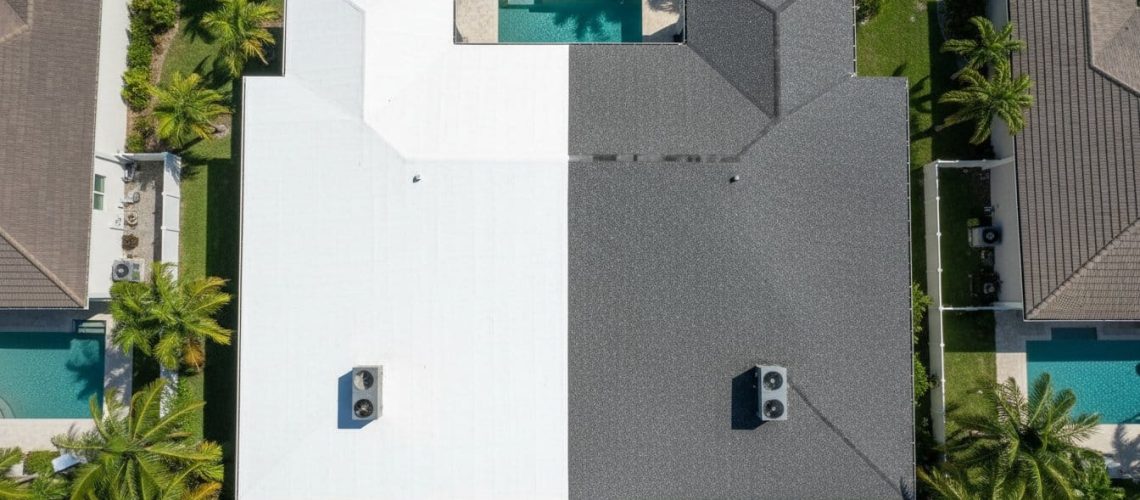

Could the very material protecting your home be the silent culprit behind your rising energy bills and hurricane anxiety? In our unique environment, choosing between TPO vs modified bitumen for Florida climate isn’t just a technical decision; it’s about securing your family’s peace of mind for the next twenty years. You deserve a roof that stands up to tropical force winds without keeping you awake at night when the sky turns gray. It’s natural to feel concerned about rising utility costs and the structural integrity of your property during a heavy storm season.
We are here to help you find a solution that offers long-term security and real savings. This 2026 guide will show you how to achieve a leak-proof seal that lasts for decades while lowering your indoor temperatures and potentially qualifying you for insurance premium credits. We will compare the high-tech solar reflectivity of TPO against the rugged, multi-ply impact resistance of modified bitumen to help you choose the best guardian for your Florida property.
Key Takeaways
- Discover how TPO’s solar reflectivity can significantly lower your indoor temperatures and protect your cooling system from overworking during the summer.
- Compare the puncture resistance and multi-ply strength of these materials to ensure your home remains secure against tropical storms and flying debris.
- Learn why the choice between TPO vs modified bitumen for Florida climate depends on your roof’s “job,” whether that involves frequent maintenance access or maximizing energy savings.
- Understand the specific maintenance requirements for each system so you can plan for a roof that provides reliable protection for two decades or more.
The Florida Flat Roof Challenge: Why Material Choice Matters in 2026
In Tampa Bay, flat or low-slope roofs are a staple of our local architecture. You see them on mid-century modern homes, contemporary additions, and commercial storefronts across the region. Technically, a low-slope roof is any surface with a pitch of less than 2:12. This slight angle means that gravity alone cannot protect your home from the elements. Standard asphalt shingles are never an option for these areas; they lack the waterproof seal needed for surfaces where water doesn’t immediately run off. Choosing the right material is a critical decision for your home’s long-term security, especially when evaluating TPO vs modified bitumen for Florida climate.
Our environment presents a “Triple Threat” that most roofing materials simply aren’t built to handle. We face intense UV radiation, high humidity that breeds mold, and the constant threat of hurricane-force winds. As we move into 2026, the anticipated 9th Edition of the Florida Building Code continues to raise the bar for wind uplift resistance and energy efficiency. To meet these standards and protect your family, we rely on Membrane roofing systems. Both TPO and Modified Bitumen have become the dominant solutions because they create a continuous, watertight barrier that can survive the extremes of the Sunshine State.
Intense UV and Thermal Expansion in Tampa
The Florida sun does more than provide beach weather; it actively “cooks” your roofing materials. On a typical July afternoon, your roof surface can reach temperatures exceeding 150 degrees. The real danger arrives when a sudden thunderstorm hits that hot surface. This creates thermal shock, a rapid cooling that causes materials to contract violently. Over time, this cycle can cause inferior materials to crack or pull away from the edges of your home. High elasticity is a non-negotiable requirement for any roof in our area. You need a system that can breathe with the temperature changes without losing its structural integrity.
The Ponding Water Problem
Florida’s heavy rains test the seams of a flat roof every single day. Ponding water occurs when rain sits on a flat surface for more than 48 hours without draining or evaporating. This standing water adds significant weight to your roof deck and puts constant hydraulic pressure on every seam and flashing. If the installation isn’t handled with professional precision, ponding water will eventually find a path into your living room. When considering TPO vs modified bitumen for Florida climate, you must look at how each material handles these seams. While the material choice is vital, a proper drainage plan is just as important to ensure your home remains a safe, dry sanctuary for your family.
TPO vs. Modified Bitumen: Breaking Down the Materials
Deciding between TPO vs modified bitumen for Florida climate requires understanding the fundamental differences in how these systems are built. While both provide excellent protection, they approach the task of waterproofing very differently. TPO is a modern, single-ply membrane that prioritizes energy efficiency and seamless protection. Modified Bitumen is a traditional, multi-ply system that relies on thick, redundant layers for rugged strength. We believe in providing the right tool for the job, and that starts with knowing what sits above your head.
The expected lifespan of these systems varies based on installation quality and environmental exposure. A professionally installed TPO system typically lasts 20 to 30 years. In contrast, a Modified Bitumen roof generally serves a property for 15 to 20 years. Protection is measured differently for each; TPO is measured in “mils” (thousandths of an inch), while Modified Bitumen is measured by the number of “plies” or layers installed. Both systems have their place in our local neighborhoods, but their performance profiles are distinct.
Understanding TPO (Thermoplastic Polyolefin)
TPO consists of a single layer of synthetics and reinforcing scrim. Its most protective feature is the heat-welded seam. Instead of relying on adhesives that can fail in high humidity, we use hot-air welders to fuse the sheets together. This creates a monolithic, waterproof surface across your entire roof. For homeowners in Wesley Chapel and Odessa, the “Cool Roof” properties are a major advantage. TPO is naturally reflective. It bounces UV rays away from the building rather than absorbing them. This reduces the strain on your HVAC system and keeps indoor temperatures lower. It’s also a lightweight material, which places less stress on your home’s structural framing.
Understanding Modified Bitumen (Mod-Bit)
Modified Bitumen is a rugged evolution of the old built-up roof. It uses multiple layers of asphalt that’s been “modified” with either plastic (APP) or rubber (SBS) to improve its performance. For our specific regional weather, we often recommend SBS for its superior flexibility during those rapid temperature shifts. The primary benefit here is redundancy. If the top layer suffers a small puncture from a falling branch, the underlying plies continue to keep the water out. Most Mod-Bit systems feature a granulated surface. These granules provide extra UV protection and fire resistance, similar to the shingles on a sloped roof. If your flat roof serves as a platform for heavy equipment or sees frequent foot traffic, a Modified Bitumen roofing system offers the durability you need.
Performance in Extremes: Heat Resistance vs. Puncture Protection
Choosing the right defense for your home requires a clear look at how materials behave under pressure. When we evaluate TPO vs modified bitumen for Florida climate, we look at two very different types of armor. One reflects the sun’s energy like a mirror, while the other absorbs impact like a heavy shield. Your choice depends on what your roof faces daily. Does it sit under the constant glare of the sun on a large open lot, or is it surrounded by oak trees that drop heavy branches during every afternoon storm? Understanding these extremes helps us build the right defense for your property.
Wind performance is a top priority for every Florida homeowner. Recent product approvals from April 2026 highlight the strength of these modern systems. For example, specific modified bitumen systems have been tested to handle design pressures as high as -144.5 psf. This level of resistance is essential when 100+ mph gusts threaten to lift a roof right off its deck. Both materials meet strict building codes, but their physical profiles offer different advantages during a storm. TPO relies on its flexible, lightweight nature, while Modified Bitumen uses its multi-layered weight to stay grounded.
The Cool Roof Advantage for Tampa Business Owners
TPO is the undisputed champion of heat resistance. Its white, reflective surface keeps commercial interiors significantly cooler by bouncing UV rays back into the atmosphere. This reduces the “Urban Heat Island” effect in crowded areas like downtown Tampa or Westshore. When your roof stays cool, your HVAC system doesn’t have to work as hard, which extends the life of your expensive cooling equipment. You should also check with your provider about insurance incentives. Many carriers offer credits for reflective roofing because it lowers the risk of thermal degradation and fire spread. Just remember that TPO needs occasional cleaning to maintain this high level of reflectivity.
Durability Against Storm Debris and Hail
Modified Bitumen acts like a “bulletproof vest” for your building. If your roof houses heavy HVAC units or requires frequent access from service technicians, this multi-ply system is often the safer choice. Service techs can be hard on a roof, and the thick, granulated surface of Mod-Bit handles foot traffic better than the thinner membrane of TPO. While TPO is susceptible to punctures from dropped tools or wind-blown debris, Modified Bitumen’s redundant layers ensure that a top-layer scratch doesn’t become a leak. It’s a tough trade-off. You might gain more physical security and impact resistance even though the darker surface absorbs more heat than TPO.
We see the best results when the material matches the specific “job” of the roof. If you have an open roof with no trees nearby, the energy savings of TPO are hard to beat. If your roof is a high-traffic area with potential for debris impact, the rugged nature of Modified Bitumen provides the long-term security you need. Both systems are excellent choices for the TPO vs modified bitumen for Florida climate debate as long as they are installed with the care your home deserves.

Installation and Maintenance: Ensuring Long-Term Value
The longevity of your investment depends entirely on the quality of the workmanship behind it. Even the most advanced materials fail if the details are overlooked. Most flat roof failures don’t start in the middle of a membrane; they begin at the seams, corners, and flashings where the roof meets a wall or a vent. When we evaluate TPO vs modified bitumen for Florida climate, we focus on these critical transition points. A professional installation ensures these areas remain watertight for decades, protecting your family and your property from the unexpected.
Current regulations under the 8th Edition of the Florida Building Code, and the anticipated 9th Edition in 2026, place a heavy emphasis on energy efficiency and insulation. This means your roof system is more than just a top layer. It includes specific R-value (insulation) requirements that must be met to stay in compliance. Navigating these technical standards is why choosing a partner experienced in commercial roofing in Tampa is essential. Rainier Roofing LLC treats every project as a long-term commitment to your home’s structural health.
Seam Integrity and Waterproofing
The method used to seal your roof determines its resistance to our heavy summer rains. TPO relies on heat-welded seams, where we use specialized equipment to fuse the sheets into one continuous, monolithic piece. Modified Bitumen uses different techniques, such as torch-down or cold-applied adhesives, to create a multi-layered barrier. Both systems require expert precision around skylights and vents, which are the most common leak points. If you notice signs of moisture near these areas, you should consult a guide on roof repair in Tampa FL to identify early seam failure before it becomes a costly interior problem.
The Cost of Neglect in a Humid Climate
Florida’s humidity is a constant challenge for flat surfaces. In areas like Lutz and Brandon, algae and mold can quickly take hold on a neglected roof. TPO requires periodic cleaning to maintain its white, reflective surface; if it gets too dirty, you lose those energy-saving benefits. Modified Bitumen requires regular granule checks to ensure the asphalt layers remain protected from UV rays. You must also clear your drains and scuppers twice a year to prevent ponding water. A “set it and forget it” mindset is dangerous in our climate. If you’re ready to secure your property with a system built for the long haul, contact Rainier Roofing LLC for a professional flat roof evaluation.
Decision Framework: Which System is Right for Your Property?
Selecting the ideal protection for your home requires a final look at the specific environment surrounding your structure. When we analyze TPO vs modified bitumen for Florida climate, we aren’t just looking at the roof deck. We evaluate the “job” your roof must perform. We consider local stressors like heavy tree coverage in Lutz or the extreme wind exposure of high-rise buildings in downtown Tampa. Your choice should align with how you actually use your property and your long-term financial goals.
You should choose a TPO system if your primary objective is reducing monthly cooling costs and you have a large, unobstructed roof. It’s the superior option for homeowners seeking the longest possible service life from a single-ply membrane. On the other hand, you should choose Modified Bitumen if your roof serves as a high-traffic utility platform. If you have numerous skylights, vents, or heavy HVAC equipment that requires frequent servicing, the rugged, multi-ply nature of Mod-Bit provides the necessary puncture resistance to prevent accidental damage.
Residential vs. Commercial Applications
In neighborhoods like Wesley Chapel, TPO has become a favorite for modern residential additions. Its clean, white aesthetic complements contemporary designs while offering the energy efficiency homeowners demand in 2026. Conversely, Modified Bitumen remains the standard for Tampa’s industrial and retail corridors. These commercial spaces often have complex layouts with many protrusions that benefit from the flexible, redundant layers of an asphalt-based system. While TPO looks modern and sleek, Mod-Bit provides a traditional, granulated finish that many property owners find reassuringly tough.
Why Trust Rainier Roofing LLC for Your Flat Roof?
Our team has served as a guardian for the Tampa Bay community since 2008. We understand the specific micro-climates of this region because we live and work here. As a GAF Master Elite contractor, Rainier Roofing LLC utilizes only top-tier materials backed by over 15 years of local experience. We don’t just install roofs; we build long-term security for your family. If you’re ready to make a definitive choice for your home, contact Rainier Roofing LLC for a free flat roof estimate. We’ll provide the professional evaluation you need to ensure your property remains a safe, dry sanctuary for decades to come.
Securing Your Peace of Mind for the Next Two Decades
Choosing between TPO vs modified bitumen for Florida climate ultimately depends on your building’s specific role. Whether you prioritize the modern heat reflectivity of TPO or the rugged, multi-ply impact protection of modified bitumen, your decision sets the foundation for your home’s security through 2026 and beyond. A well-chosen system, installed with precision, ensures that your property remains a leak-proof sanctuary regardless of what the Tampa Bay weather brings.
Since 2008, our team has specialized in these Florida-specific flat roof systems. As a GAF Master Elite Certified contractor, Rainier Roofing LLC provides the high-quality production and professional integrity your family deserves. We don’t just see ourselves as contractors; we are guardians of your local community, committed to providing long-term safety and peace of mind for every neighbor we serve.
Protect your property with a free flat roofing estimate from Rainier Roofing LLC and take the first step toward a cooler, more secure home. We look forward to providing the reliable protection your family can trust for years to come.
Frequently Asked Questions
Is TPO or Modified Bitumen better for hurricane resistance in Florida?
Both systems provide excellent wind resistance when installed according to the latest Florida Building Code requirements. Modified Bitumen offers a heavy, multi-layered defense that feels incredibly solid during a storm. TPO utilizes heat-welded seams that are stronger than the membrane itself, preventing wind from getting underneath the sheets. We ensure every installation meets the specific design pressures required for your local wind zone.
How much more energy efficient is a white TPO roof compared to Mod-Bit?
White TPO is significantly more reflective than standard Modified Bitumen, often reflecting the majority of solar radiation away from your home. This helps keep your roof deck much cooler during a typical July afternoon. While Modified Bitumen is available with light-colored granules, TPO remains the industry leader for “cool roofing” and reducing the strain on your air conditioning system.
Can you install TPO directly over an old modified bitumen roof?
You can often install a TPO membrane over an existing Modified Bitumen roof if the underlying structure is dry and structurally sound. This process usually involves installing a specialized separator board to protect the new membrane from the old asphalt. If the existing roof has significant moisture damage or if the repair area exceeds 25% of the total surface, a full tear-off is usually required by law.
Does the Florida Building Code require certain insulation for flat roofs?
The current 8th Edition of the Florida Building Code mandates specific R-value levels for all new flat roof assemblies to ensure energy efficiency. This means your project must include a specific thickness of insulation beneath the TPO or Modified Bitumen layers. When evaluating TPO vs modified bitumen for Florida climate, we include these insulation requirements to keep your home in full compliance with 2026 standards.
How often should I inspect my flat roof in Tampa?
We recommend professional inspections at least twice a year to maintain your roof’s integrity. It is best to schedule these visits before the hurricane season begins in June and again after it concludes in November. Regular checks allow us to clear debris from drains and ensure that our intense humidity hasn’t caused any premature wear on the flashings or critical transition points.
Which flat roofing material is more affordable to install?
TPO and Modified Bitumen are generally competitive in price, though the total cost depends on the complexity of your roof. TPO is often more efficient to install on large, open surfaces because it comes in wide rolls. Modified Bitumen requires more labor to apply multiple layers, but it can be a more practical choice for smaller roofs with many pipes or equipment protrusions.
Will a TPO roof get punctured by falling tree branches during a storm?
TPO is a durable material, but as a single-ply membrane, it is more susceptible to punctures from sharp debris than multi-ply systems. If your property is surrounded by heavy trees, the thick, granulated surface of Modified Bitumen acts like a protective shield. For homes with significant tree coverage, we often suggest the rugged redundancy of a multi-ply system to prevent storm-related leaks.
How does the humidity in Tampa affect flat roof seams?
Constant moisture and high humidity can cause traditional adhesives to soften and fail over time. This is why we rely on heat-welding for TPO vs modified bitumen for Florida climate applications. Fusing the materials together with heat creates a permanent, waterproof bond that does not rely on glues. This specialized technique ensures your seams remain tight even during our most humid summer months.