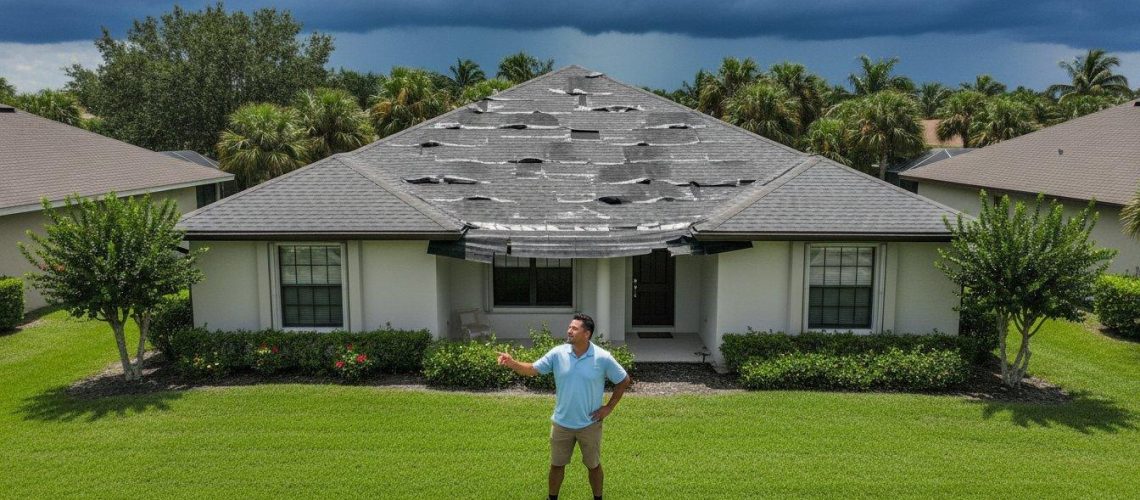

Last Tuesday, a South Tampa homeowner discovered water pooling in their attic during a typical afternoon downpour, despite having a full roof replacement completed just months prior. It’s a nightmare scenario that leaves you feeling vulnerable and cheated. If you’re currently staring at leaks or substandard workmanship, you likely feel overwhelmed by technical jargon and the fear of further structural damage. Knowing exactly what to do if a roofer does a bad job Tampa is the first step toward regaining your peace of mind and protecting your family’s biggest investment.
You deserve a home that stands strong against the elements, and Florida law provides specific pathways to make things right. We understand the frustration of dealing with a contractor who fails to deliver on their promises. This 2026 guide provides the clear, professional steps you need to take to rectify the situation. You’ll learn about the mandatory Chapter 558 notice process, how the updated seven-year Statute of Repose affects your claim, and how to utilize the Florida Deceptive and Unfair Trade Practices Act for financial recovery. We’re here to help you move from confusion to a solid, secure resolution.
Key Takeaways
- Identify visual red flags like asymmetrical shingle lines and missing drip edges to prevent long-term structural failures.
- Follow a step-by-step guide on what to do if a roofer does a bad job Tampa, including documenting evidence and utilizing Florida’s Chapter 558 legal requirements.
- Navigate regulatory resources like the Florida DBPR and Hillsborough County Building Department to trigger re-inspections and protect your investment.
- Learn why hiring a GAF Master Elite “rescue” roofer is the most reliable way to fix substandard work and ensure your roof meets modern building codes.
- Rely on a professional team with a 15-year history of protecting Tampa homes and providing the neighborly trust you deserve during a stressful repair.
Identifying the Signs of a Bad Roofing Job in Tampa
If you’ve recently invested in a new roof, you expect the peace of mind that comes with professional workmanship. A bad job often hides in plain sight, waiting for the first heavy rain to reveal its flaws. Visual red flags include asymmetrical shingle lines that look wavy or uneven from the street. Missing drip edges at the roof eaves are a major oversight that leads to fascia rot and water intrusion. Exposed nails, often called “shiners,” provide a direct path for water to enter your home. These issues often stem from a poorly executed construction contract where technical details were overlooked during the installation process.
Structural failures are even more concerning for your family’s safety. If you notice sagging rooflines, it indicates that the decking or support structure was compromised or overloaded. Improper flashing around chimneys and skylights is the leading cause of persistent leaks in Hillsborough County. By 2026, Tampa’s building codes mandate specific wind-resistance standards to handle our intense seasonal storms. If your shingles lift or blow off after a minor afternoon thunderstorm, your contractor likely failed to meet these high-velocity wind requirements. Knowing exactly what to do if a roofer does a bad job Tampa begins with recognizing these technical failures before they lead to interior damage.
Tampa-Specific Climate Red Flags
Our local environment is unforgiving to substandard materials. Improper sealants fail quickly in 90-degree Tampa humidity, causing shingles to lose their adhesive bond. Florida law requires a secondary water barrier (SWB) to protect your home if the primary shingles are lost during a storm. If you didn’t see evidence of this reinforced underlayment during construction, your home is vulnerable. Poor ventilation is another common mistake that many cut-rate contractors ignore. It leads to extreme attic heat buildup, which effectively “cooks” shingles from the inside out and causes premature aging and cracking.
The Difference Between Aesthetic Flaws and Functional Failures
You must know the difference between a minor cosmetic issue and a crisis. Shingle scuffing from foot traffic is often cosmetic and doesn’t impact the roof’s lifespan. In contrast, deep structural granule loss is a functional failure that exposes the underlying asphalt to damaging UV rays. Mismatched shingle colors might seem minor, but in Florida, this can constitute a breach of contract if aesthetic uniformity was a primary requirement of the project. Under Florida Statute Chapter 558, a construction defect is defined as a deficiency in the design, specifications, surveying, planning, supervision, observation of construction, or construction of a property that results from a failure to meet applicable building codes or standards. Understanding these distinctions helps you decide what to do if a roofer does a bad job Tampa and how to hold them accountable for their mistakes.
Immediate Steps: Florida’s Chapter 558 and Your Contract
Stop all further payments to the contractor immediately. This is your most effective tool for maintaining leverage. If the project is failing, you shouldn’t continue to fund the mistake. Next, document every issue with high-resolution photos and timestamps. Knowing what to do if a roofer does a bad job Tampa starts with protecting your financial interests and creating a paper trail. You must also review your original contract for specific workmanship warranties and dispute resolution clauses. Send a formal ‘Notice of Claim’ as required by Florida Statute Chapter 558. Finally, hire an independent licensed inspector to provide a non-biased report. This professional assessment carries significant weight if you need to file a complaint against a contractor through the Florida Department of Business and Professional Regulation.
Navigating Florida Statute Chapter 558
Florida law mandates a ‘Right to Cure’ process that homeowners must follow. You must serve the contractor with a written notice of claim at least 60 days before you can file a lawsuit. If your property is part of an association with more than 20 parcels, this timeline increases to 120 days. This notice must specifically refer to Chapter 558 of the Florida Statutes to be legally valid. A common mistake is hiring a second crew to tear off the roof before this process is complete. Doing so can void your legal standing because it destroys the evidence the original contractor has a right to inspect. Following this legal sequence is the only way to preserve your right to seek damages in court.
Reviewing Your Roofing Contract for Loopholes
Read your contract carefully for ‘binding arbitration’ clauses. These provisions often strip away your right to a jury trial, forcing disputes into a private forum instead. You should also check if the roofer actually registered your manufacturer warranty. Even high-quality systems like GAF Timberline HDZ require proper paperwork to remain valid. Understand the critical difference between a ‘Workmanship Warranty’ and a ‘Material Warranty.’ A material warranty only covers manufacturing defects in the shingles themselves. It won’t protect you if the leak was caused by improper installation or poor nailing patterns. If you’re feeling overwhelmed by the technical details of your current situation, a professional evaluation from Rainier Roofing can help you identify the best path forward.
Reporting Bad Work: Tampa and Florida Regulatory Resources
If your contractor stops responding or refuses to acknowledge clear defects, you must shift from negotiation to official reporting. Knowing what to do if a roofer does a bad job Tampa includes engaging the local authorities who oversee construction safety. Start with the Florida Department of Business and Professional Regulation (DBPR). They hold the power to suspend or revoke licenses. Filing a formal complaint via their online portal puts the roofer on notice that their professional standing is at risk. This reporting creates a permanent record of the dispute that can protect other homeowners in our community from similar experiences.
Your most powerful local ally is often the municipal building department. If the work was permitted, a City of Tampa or Hillsborough County building inspector already has a file on your home. You can request a ‘Re-inspection for Cause’ if you believe the work violates the Florida Building Code. If the roof fails this final inspection, the contractor is typically liable for the re-inspection fees and must correct the violations to close the permit. A failed inspection report serves as undeniable, third-party evidence in any future legal claim or insurance dispute. It’s much harder for a contractor to argue with a government official than with a homeowner.
The Role of the Tampa Building Inspector
In the City of Tampa, you can contact the Construction Services Center directly to discuss permit discrepancies. Requesting an inspector to visit your site allows for a professional evaluation of wind-resistance compliance and flashing integrity. If the inspector finds code violations, they will issue a correction notice. This document is a critical piece of leverage. It proves the work is not just “bad” but is actually illegal under Florida’s safety standards. Using this report as evidence often forces a contractor’s hand more effectively than a dozen phone calls.
Claims Against Bonds and Insurance
You should also consider filing a claim against the contractor’s General Liability insurance. This policy covers damage to your property caused by their negligence, such as interior water damage from an improperly sealed skylight. You can find a contractor’s insurance carrier by searching their license number on the DBPR portal. It’s also vital to distinguish between a ‘Licensed’ roofer and one who is also ‘Bonded.’ While all Florida roofers must carry insurance, a bonded contractor has an extra layer of financial security. A surety bond provides a dedicated fund that you can claim against to pay for repairs if your original roofer goes bankrupt or abandons the job. This ensures that the financial burden of fixing a mess doesn’t fall entirely on your shoulders.

Hiring a ‘Rescue’ Roofer: How to Fix the Mess Correctly
Finding a roofer willing to step into a disaster is often more difficult than finding one for a fresh installation. Many professionals refuse to touch another contractor’s bad work because they don’t want to inherit the previous crew’s liability. If a new team performs a repair, they often become legally and practically responsible for every leak that happens afterward. Knowing what to do if a roofer does a bad job Tampa requires a shift in strategy from seeking the lowest bid to finding the highest level of expertise. You need a team that begins with a Roof Forensic Inspection. This process uncovers hidden deck rot and code violations that a standard visual check might miss; it provides a clear roadmap for recovery.
Your rescue contractor must hold a GAF Master Elite certification or an equivalent high-tier credential. Only the top 2% of roofing contractors nationwide achieve this status. This certification ensures the contractor has the financial stability and technical training to fix structural failures correctly. When you structure the new contract, insist on total accountability. Every existing defect identified in the forensic report must have a corresponding, line-item solution in the new agreement. This prevents any ambiguity about who is responsible for the final result.
Vetting Your Second Contractor
Don’t repeat the mistakes of the past. Use the ultimate guide to roof repair in Tampa, FL to screen every new candidate. Ask specifically for ‘Rescue’ references. You want to speak with homeowners in Hillsborough or Pinellas who had similar disasters fixed by the company. Verify their local roots by visiting their physical office. A company deeply rooted in the Tampa Bay area is far more likely to stand by their workmanship than a contractor who only appears after a major storm.
Protecting the New Warranty
Substandard repairs can easily void your shingle manufacturer warranty. To prevent this, your new contractor must coordinate with the manufacturer to ensure the “rescue” work meets their specific installation standards. A comprehensive roofing estimate in Tampa should include a line-by-line fix for every defect, from improper flashing to poor nailing patterns. This documentation is vital for your records and any ongoing legal claims. If you’re ready to restore the integrity of your home, contact our team for a professional forensic inspection to get your project back on track.
Rainier Roofing: Restoring Integrity to Your Tampa Home
Rainier Roofing has spent 15 years protecting families and their property across the Tampa Bay area. We’ve seen every shortcut and cutting-corner tactic imaginable from less experienced crews. When you’re deciding what to do if a roofer does a bad job Tampa, you need a partner who values your home’s security as much as you do. We don’t just provide a service; we act as the guardians of your property. Our long history in this community serves as a signature of stability. We’ve stood the test of time and weather, surviving the same intense Florida humidity and seasonal storms that your roof must endure every year.
The GAF Master Elite distinction sets our team apart from the competition. This isn’t just a label; it’s a credential held by only the top 2% of roofing contractors in North America. This status allows us to offer factory-backed warranties that other crews simply cannot access. It also means we have a direct line to manufacturers to verify that your “rescue” work meets every single technical requirement. If a previous contractor compromised your home’s structure, we have the specialized knowledge to restore it using high-trust materials like GAF Timberline HDZ shingles or standing seam metal systems. We balance technical expertise with a personal, community-focused commitment to every neighbor we serve.
Legal battles and insurance claims are won on evidence. We provide the high-resolution, timestamped forensic reports needed to prove exactly where a previous contractor failed. This bridges the gap between technical construction and legal accountability. Our detailed documentation helps you navigate the Chapter 558 process with confidence. We’re organized, experienced, and unlikely to be rattled by the most complex repair projects. You can rely on our rhythmic, methodical pace to ensure that the job is done right the second time.
Our Process for Fixing Bad Roofing Jobs
If your roof is actively leaking, we start with emergency tarping to prevent further interior damage. Our team then moves into full structural restoration. We don’t just put new shingles over old problems; we uncover the hidden rot the previous guy left behind. This often involves replacing compromised decking or fixing improper flashing around skylights. If your case goes to court, our detailed inspection reports provide the expert testimony required to secure a fair settlement. We identify the problem and immediately follow it with a professional solution.
Get Your Free, Honest Assessment Today
We believe in transparency and moral character. That’s why we offer clear, professional repair options for our neighbors in Tampa. You won’t find hidden costs or frantic sales pitches here. Our Protective Professionals are ready to secure your home before the next storm hits. Schedule your expert roof forensic inspection with Rainier Roofing today and let us restore your peace of mind. We are here to provide the steady, confidence-inspiring presence you need to move forward.
Securing Your Home and Your Peace of Mind
Dealing with a failed roofing project is exhausting, but you have the legal and practical tools to set things right. By following the Chapter 558 notice process and leveraging local building department inspections, you transform a stressful situation into a manageable plan. Your home is your most significant investment; it deserves a structure that meets Florida’s strict 2026 safety standards. Knowing exactly what to do if a roofer does a bad job Tampa allows you to move past the frustration and toward a permanent, professional solution.
Rainier Roofing has been a trusted guardian of Tampa Bay homes since 2008. As an A+ rated local business and one of the few GAF Master Elite Certified contractors in the region, we possess the specialized skills to fix even the most complex installation errors. We represent the top 2% of roofers nationwide, and we’re ready to restore the integrity of your roof with methodical, steady precision. Don’t let a substandard job compromise your family’s safety any longer. Contact Rainier Roofing for a professional inspection and rescue quote today. We’re here to provide the reliable, neighborly support you need to protect your home for the long term.
Frequently Asked Questions
Can I fire my roofer in the middle of a job in Florida?
Yes, you can terminate a contract if the roofer commits a material breach, such as failing to follow building codes or missing major deadlines. However, you must follow the specific termination procedures outlined in your written agreement. Firing a contractor without following these steps can leave you vulnerable to a lawsuit for breach of contract. Always consult with a legal professional to ensure you’ve documented the failures correctly before stopping the project.
How do I prove my roofer did a bad job to a court?
Proving a bad job requires objective, third-party evidence. You should gather high-resolution photos of defects like exposed nails or sagging rooflines. A report from a licensed independent inspector or a failed inspection notice from the Tampa Building Department is essential. This documentation demonstrates that the work failed to meet the Florida Building Code or the specific terms of your agreement. These facts are vital when deciding what to do if a roofer does a bad job Tampa.
What if my roofer caused interior water damage to my ceiling?
If a roofer’s negligence leads to interior leaks, their General Liability insurance should cover the repairs. You must document the damage to your ceilings or walls with photos and video immediately. While our team specializes in restoring the roof’s integrity with systems like GAF Timberline HDZ shingles, we don’t perform interior remodeling. You’ll need to coordinate with the contractor’s insurance carrier or your own homeowner’s policy to address the indoor damage.
Does the Florida Homeowners’ Construction Recovery Fund help with bad roofing?
The Florida Homeowners’ Construction Recovery Fund provides a safety net if you’ve suffered financial losses caused by a licensed contractor. To qualify, you generally must have already obtained a final judgment or a DBPR restitution order that the contractor hasn’t paid. It’s a fund of last resort designed to protect homeowners from unethical or insolvent contractors. This resource is a key part of your strategy for what to do if a roofer does a bad job Tampa.
Can a roofer put a lien on my house if I refuse to pay for bad work?
Yes, Florida law allows contractors to file a construction lien if they aren’t paid, even if you’re unhappy with the work. If a lien is filed, you shouldn’t ignore it. You can file a “Notice of Contest of Lien” which forces the contractor to file a lawsuit within 60 days to enforce the lien or lose it. This legal maneuver prevents a contractor from using a lien as indefinite leverage for substandard work.
How much does it typically cost to have a second roofer fix a bad job?
The price for fixing a bad job depends entirely on the extent of the hidden damage. Minor flashing repairs are far less expensive than a full structural restoration involving the replacement of rotted decking. We don’t provide generic estimates because every “rescue” project is unique. Instead, we perform a forensic inspection to uncover every defect. This allows us to provide a professional, fixed-fee quote that ensures the job is done correctly the second time.
Is it worth suing a roofing contractor for poor workmanship?
Suing is often a last resort due to the time and legal costs involved. For many homeowners, the formal Chapter 558 notice process or filing a complaint with the DBPR provides enough pressure to reach a settlement. However, if the contractor has caused structural damage or abandoned a high-value project, pursuing a claim under the Florida Deceptive and Unfair Trade Practices Act may be the only way to recover your losses.
How can I check if my Tampa roofer’s license is actually valid in 2026?
You can verify any contractor’s credentials through the Florida Department of Business and Professional Regulation (DBPR) website. Simply enter their license number or company name into the search portal to confirm their status is “Active.” This tool also shows you if they carry the required workers’ compensation and liability insurance. Checking this in 2026 is a vital step before you sign any contract or pay for additional repairs.