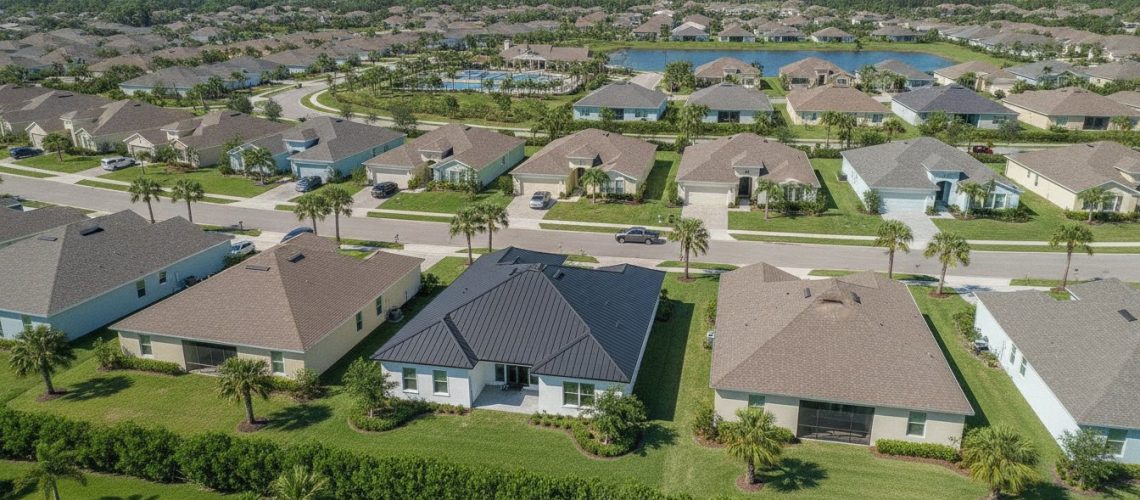

Your HOA can’t simply say “no” to a metal roof anymore, even if every other house on your block has shingles. While many homeowners still live in fear of architectural review board (ARB) rejections or unexpected fines, the legal landscape in Florida has shifted to favor your home’s safety. Understanding the HOA roof replacement rules Tampa communities enforce in 2026 is the first step toward a smoother, more secure renovation. We know that the process of getting a new roof is stressful enough without the added weight of bureaucratic red tape.
You deserve to feel like the guardian of your own home, not a tenant in your own neighborhood. We’ll show you exactly how to master the complexities of local regulations to ensure a compliant and durable result. This guide provides a clear approval roadmap and explains the Florida laws, such as HB 293, that protect your right to install hurricane-resistant materials. We also detail how the right contractor can take the burden of HOA paperwork off your shoulders, letting you focus on the long-term security of your family.
Key Takeaways
- Understand how Tampa’s deed-restricted communities use roofing bylaws to maintain property values and aesthetic harmony across the neighborhood.
- Discover the five essential steps for navigating HOA roof replacement rules Tampa associations require, from initial ARB application to final documentation.
- Learn to distinguish between approved architectural shingles and prohibited materials to ensure your roof matches the community’s required color palette.
- Avoid the “unapproved install” nightmare by identifying how roofing violations can result in liens, fines, or issues during a future home sale.
- Find out how a contractor with the right credentials can simplify the process by providing the technical specs and insurance proof that boards demand.
Understanding HOA Authority in Tampa: Why the Rules Exist
Buying a home in Tampa often means moving into a deed-restricted community. In the Tampa Bay real estate market, these restrictions are baked into your property’s deed. They ensure that every home maintains a specific look to protect the collective property value. The primary goal of roofing bylaws is aesthetic uniformity. If one neighbor installs a bright blue metal roof while everyone else has weathered wood shingles, it can disrupt the visual harmony that keeps home prices stable. To understand these guidelines, you must look at your Covenants, Conditions, and Restrictions (CC&Rs). What is an HOA? It is essentially a private government that manages these standards. In Hillsborough County, the Architectural Review Committee (ARC) acts as the final authority with the specific power to veto any roofing project that doesn’t align with the community’s established palette.
The Legal Weight of Your Tampa HOA Bylaws
Your CC&Rs aren’t just a list of helpful tips. They are a legally binding contract between you and your neighbors. When you closed on your Tampa home, you agreed to follow the HOA roof replacement rules Tampa boards enforce. Florida law is very clear on this point. Claiming you didn’t know the rules won’t help you in a dispute. Courts view the signing of your deed as proof of your consent. It’s also vital to distinguish between HOA rules and Florida statutes. While rules are local to your neighborhood, statutes are state-mandated laws that can sometimes override what your board says. This distinction is where many homeowners find the leverage they need for approval.
Does Florida Law Protect Your Roofing Choice?
You might wonder if the state has your back when you want to upgrade your home’s protection. Florida Statute 720, also known as the Homeowners’ Association Act, provides the framework for how these groups operate. Recent updates in 2024 and 2025 have shifted more power toward the homeowner, especially regarding storm safety. For instance, the Hurricane Protections for Homeowners’ Associations law (HB 293) became effective in May 2024. It requires HOAs to adopt specific hurricane protection standards. Most importantly, it prevents boards from denying your application for hurricane-resistant materials, such as standing seam metal roofing, as long as they meet the community’s written specifications. The Florida Homeowners’ Bill of Rights further ensures that your board acts with transparency and fairness when you seek a roof replacement. Knowing these state protections is your best defense against an overreaching board.
The 5-Step HOA Approval Process for Tampa Homeowners
Once you understand the legal landscape, it’s time to move toward action. Replacing a roof in a deed-restricted community requires more than just picking a color and hiring a crew. You must follow a specific sequence to stay within the HOA roof replacement rules Tampa boards strictly enforce. Skipping a step can lead to costly delays or, worse, a requirement to tear down a brand-new roof. We’ve managed hundreds of these applications and found that a methodical approach is the only way to protect your investment and your peace of mind.
The process begins with obtaining the specific Architectural Review Board (ARB) application form from your community portal or property manager. Next, you must collect mandatory documentation. This isn’t just about a quote; it’s about proving your contractor is qualified. You’ll need their state license, high-limit liability insurance, and detailed material specifications. For the third step, you’ll submit physical samples or high-resolution digital swatches of your chosen GAF shingles. Boards want to see exactly how the light hits the granules to ensure it matches the neighborhood aesthetic.
Step four is the formal submission and the mandatory waiting period. According to Florida Statute 720, HOAs have a legal framework to follow, but most local boards still require 30 to 45 days for a final decision. Finally, step five is receiving written approval. Never allow materials to be delivered to your driveway until you have that letter in hand. This document is your shield against future disputes.
Required Documentation for a Successful Application
Precision is your best friend when dealing with an ARB. You should include a copy of your contractor’s GAF Master Elite certification to prove the work meets the highest industry standards. Boards also look for specific “WindProven” warranty details. This is especially vital in Tampa, where high-wind resistance is a safety requirement, not just an upgrade. If you’re modifying the roof structure or adding skylights, you’ll also need a professional site plan. If you feel overwhelmed by the paperwork, our team can help by providing the exact technical specs your board requires.
Timeline Expectations and How to Speed Them Up
Approval times vary across the Bay area. In established communities like Westchase or Odessa, boards often meet monthly, which can slow things down. Newer developments in Brandon might use professional management companies that process digital applications faster. To speed things up during hurricane season, submit your application as an “emergency repair” if you have active leaks. One major gap many homeowners overlook is the coordination between the HOA and local government. While your HOA approves the look, the City of Tampa or Hillsborough County must approve the safety through a building permit. We recommend starting both processes simultaneously to avoid a bottleneck at the finish line.
Common Material and Color Restrictions in Tampa Bay HOAs
The visual harmony of a Tampa neighborhood isn’t an accident. It’s the result of the “Uniformity Rule.” This rule ensures no single house stands out in a way that detracts from the collective curb appeal of the street. When you examine the HOA roof replacement rules Tampa boards enforce, you’ll find that material and color choices are the most heavily scrutinized areas. Boards generally prefer materials that offer a traditional look while providing modern protection against Florida’s harsh sun and tropical storms.
Shingle restrictions are common in almost every deed-restricted community in the Bay area. Most associations now prohibit standard 3-tab shingles because they lack the wind resistance and dimensional depth required for modern homes. They instead mandate architectural shingles. For homeowners looking for a more modern or durable option, standing seam metal roofing is gaining significant ground. While some older bylaws might seem restrictive, recent Florida laws protect your right to choose these hurricane-resistant materials. In Mediterranean-style communities, you’ll likely encounter rules mandating concrete or clay tile roofing to maintain the specific architectural character of the neighborhood.
GAF Timberline HDZ: The HOA-Friendly Standard
We see that GAF Timberline HDZ shingles are the most widely accepted material among Tampa associations. These shingles strike a perfect balance between high-performance engineering and classic aesthetics. Boards approve them because of the “Shadow Line” design. This feature creates a deep, dimensional look that mimics traditional wood shakes without the fire risk or maintenance headaches of real wood. If you want to understand why these materials are the gold standard for local boards, read our guide on Why GAF Shingles Are the Best Choice for Tampa Homes. Choosing a pre-approved material can significantly shorten your approval timeline.
Navigating Color Palettes: Beyond “Beige”
Color is often where homeowners and boards clash. Most Tampa HOAs stick to a “neutral” or “earth tone” palette to ensure no home looks out of place. The most popular approved colors include Charcoal, Slate, and Weathered Wood. These shades are timeless and help maintain the community’s premium feel. If you want to improve your home’s energy efficiency, you can still meet “Cool Roof” requirements without violating color rules. Modern GAF shingles use reflective granules that stay cool while maintaining these darker, board-approved tones. Always check if your board has a “Pre-Approved” list. Many associations already have a specific book of GAF colors that are guaranteed to pass the review process. This authority is governed by Florida Statutes Chapter 720, which allows associations to set these aesthetic standards to protect your home’s equity.

Avoiding HOA Penalties and Legal Pitfalls
Don’t underestimate the power of an architectural committee. Installing a roof without a green light is a gamble you shouldn’t take. If you ignore the HOA roof replacement rules Tampa associations have set, you risk facing a “forced removal” order. This means you might have to pay to tear off a brand-new roof at your own expense. Beyond that, the association can levy daily fines that eventually turn into a lien against your property. We’ve seen homeowners lose their peace of mind over a simple color mismatch that could have been avoided with a single form.
These violations don’t just disappear over time. If you try to sell your home, the title search will uncover the outstanding violation. Most buyers won’t close until the issue is cleared, which could mean a total roof replacement right before you move. However, you do have legal defenses. If the board hasn’t enforced a specific rule for years, you might use a “selective enforcement” defense. Under Florida law, there is a five-year statute of limitations on the enforcement of HOA covenants. This means if a violation existed for five years without board action, they may lose their right to enforce it.
Emergency Repairs vs. Permanent Replacements
When a storm hits, you can’t wait 45 days for an ARB meeting. Most boards allow for emergency roof tarping to prevent secondary water damage without prior approval. However, the “Like-for-Like” rule usually applies here. If you’re replacing just a few shingles with the exact same material and color, you might bypass a full review. Always document the damage with photos to prove the necessity to the board later. This documentation serves as your shield if the board questions the repair after the fact.
Dispute Resolution: When the Board Says “No”
If the board denies your request for a modern material like standing seam metal, don’t give up. Florida law mandates mediation for many HOA disputes. You can appeal an ARB decision by providing structural engineering data that proves the material is superior for wind resistance. We often work with homeowners to provide these technical rebuttals, ensuring the board understands the long-term safety benefits of the chosen system. If you’re facing a difficult board or need help documenting a storm claim, contact our team today for a professional consultation that protects your interests.
How Rainier Roofing Simplifies Your HOA Approval
Managing the fine print of HOA roof replacement rules Tampa communities enforce shouldn’t be your second job. We position ourselves as the “Protective Professional,” acting as a bridge between your family’s need for a secure home and your board’s need for aesthetic compliance. The stress of home maintenance often stems from the unknown. We eliminate that uncertainty by taking the lead on the technical documentation and architectural review requirements. Our goal is to ensure your project moves from application to installation without a single legal or administrative hiccup.
Our team brings years of direct experience working with some of the largest and most stringent homeowners’ associations in the Bay area. Whether you live in FishHawk, Westchase, or Cheval, we understand the specific nuances of your community’s architectural standards. We don’t just guess which materials will pass. We provide the exact technical specifications and physical samples that boards demand. This localized expertise ensures your new roof meets the strict visual requirements of your neighborhood while exceeding the strength mandates of the Florida Building Code. We believe a roof should protect your equity as effectively as it protects your living room.
Expert Guidance from a GAF Master Elite Contractor
Peace of mind starts with high-trust credentials. Our GAF Master Elite certification is a powerful tool in your approval process. This status is held by only the top 2% of roofers, and boards recognize it as a hallmark of reliability and professional accountability. When we submit your application, we include these credentials to reassure the committee that the work will be performed by a legacy business with deep local roots. We assist you in selecting colors that are “Board-Approved” but still offer high-performance reflective properties to keep your home cool. The Rainier Roofing guarantee is simple. We don’t deliver a single shingle or start any work until every piece of HOA paperwork is signed, sealed, and delivered.
Schedule Your HOA-Compliant Roof Inspection
Your journey toward a stress-free replacement begins with our “HOA-Ready” roof assessment. During this inspection, we don’t just look for leaks. We evaluate your current structure against your community’s CC&Rs to identify any potential hurdles before they become problems. We then prepare a comprehensive “Approval Package” for you. This package includes everything your board needs: contractor licenses, high-limit insurance certificates, material swatches, and detailed warranty information. We handle the heavy lifting so you can enjoy the security of a well-protected home. Contact Rainier Roofing for a free, HOA-compliant estimate today and let our family protect yours.
Secure Your Home with Confidence and Compliance
Your roof is the first line of defense for your family. It deserves a process that is as sturdy as the materials we install. By mastering the HOA roof replacement rules Tampa boards require, you ensure that your investment is protected from both the weather and legal disputes. You now have the roadmap to navigate architectural reviews, leverage recent Florida laws like HB 293, and choose materials that satisfy even the strictest community standards.
We take our role as the guardians of your home seriously. With over 15 years of Tampa Bay experience, we specialize in the specific compliance and permitting needs of local neighborhoods. As a GAF Master Elite Certified contractor, we belong to the top 2% of roofers nationwide. This provides a level of reliability that satisfies both homeowners and HOA boards. We handle the technical specs so you can focus on the long-term security of your property.
Get a Free HOA-Compliant Roofing Estimate from Rainier Roofing
We look forward to helping you protect your home with a roof that meets every standard of excellence.
Frequently Asked Questions
Can my Tampa HOA force me to use a specific roofing material?
Your HOA can mandate specific materials to maintain neighborhood uniformity, but they cannot ignore state protections. Florida law now requires associations to adopt hurricane protection specifications. If you choose a material like standing seam metal that meets these standards, the board generally cannot deny your application. We recommend reviewing your CC&Rs alongside current 2026 Florida statutes to ensure your rights are protected during the material selection process.
How long does it typically take for a Tampa HOA to approve a roof replacement?
Most associations in the Tampa Bay area take between 30 and 45 days to issue a formal decision. This timeline depends on the meeting schedule of the Architectural Review Board or the efficiency of the property management company. You can often speed this up by submitting a complete “Approval Package” with all the contractor credentials and material samples included from the start. We help our clients prepare these documents to minimize back and forth.
What happens if I replace my roof without HOA approval in Florida?
Moving forward without written approval can lead to severe financial and legal consequences. The association has the authority to levy daily fines or even place a lien against your property. In extreme cases, they can obtain a court order forcing you to remove the unapproved materials at your own expense. This violation will also appear during a title search, potentially preventing you from selling your home until the issue is resolved.
Does Florida law allow me to install a metal roof if my HOA says no?
Florida law provides significant protection for homeowners choosing durable, storm-resistant materials. Under HB 293, which took effect in 2024, HOAs must allow hurricane protection measures that meet the Florida Building Code and the community’s written specifications. This includes many metal roofing systems. If your board denies a metal roof without a valid technical reason, you may have grounds for a mediation request under HOA roof replacement rules Tampa homeowners rely on for safety.
Who is responsible for the roof on a condo or townhouse in Tampa?
Responsibility depends entirely on your community’s governing documents. In a typical Tampa condo, the association is responsible for the “common elements,” which includes the roof. However, in townhome communities, the owner might be responsible for the roof structure while the HOA manages the aesthetic approval. You should consult your “Declaration of Condominium” or “Master Deed” to confirm who carries the insurance and maintenance obligations for your specific unit.
Can an HOA deny my roof color if it matches the existing roof?
An HOA can deny a color even if it matches your current roof if the community standards have changed. Associations periodically update their “approved palette” to keep the neighborhood looking modern and cohesive. If your current color is no longer on the pre-approved list, you must select a new shade from the current book. We often provide digital swatches of GAF colors to help homeowners find a compliant match that still looks great.
Do I need an HOA permit and a City of Tampa building permit?
You absolutely need both to stay compliant. The HOA approval focuses on aesthetics and neighborhood uniformity, while a City of Tampa or Hillsborough County building permit focuses on structural safety and code adherence. One does not replace the other. Starting work with only one of these approvals can result in stop-work orders from the city or fines from your association. We handle the municipal permitting process to ensure your project is fully legal.
What should I do if my HOA board is taking too long to approve my roof?
You should first check your bylaws for a “deemed approved” clause. Some Tampa HOAs have rules stating that if a decision isn’t made within 30 or 60 days, the application is automatically approved. If no such clause exists, send a polite but formal inquiry via certified mail. If you have an active leak, you can often bypass the standard wait time by filing for an emergency repair permit under the “Like-for-Like” rule.